8 Reasons You May Not Be a Good Candidate for a Hair Transplant

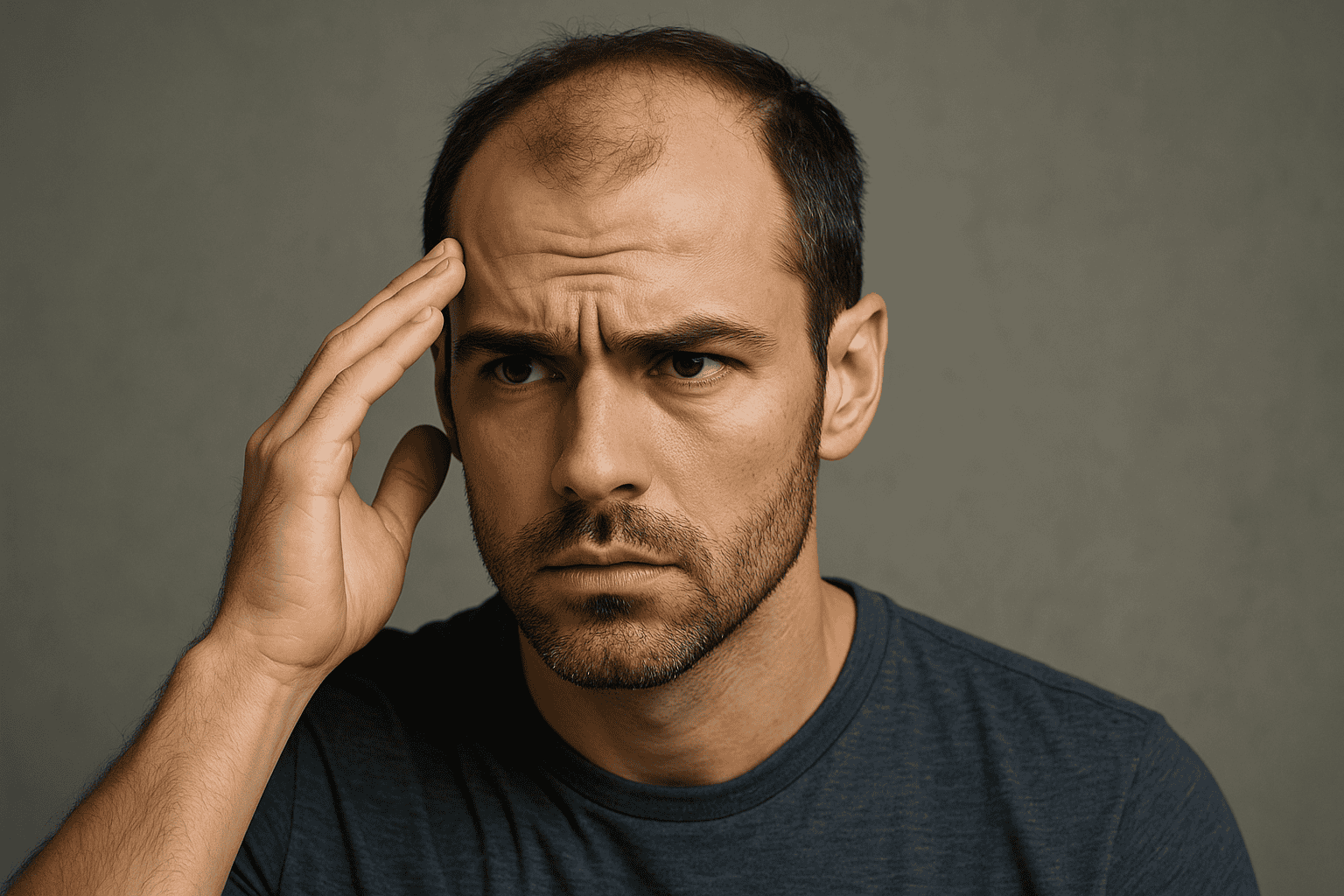
Showing a man with a hair loss pattern seeking for hair transplant. can he be a good candidate for a hair transplant.

Summary

Hair transplantation is often viewed as a golden ticket to restoring a full head of hair. But the truth is more nuanced: not everyone is a good candidate. For many, it is either inadvisable at the current time or requires alternative treatments first. Understanding why you may not be a good candidate for a hair transplant can save you disappointment, expense and risk.

Below we explore the main reasons someone may not be suited to a hair transplant — including medical, anatomical, psychological and lifestyle factors. We’ll also link to useful resources and help you identify when full evaluation is needed.

1. Insufficient Donor Hair Supply

One of the most fundamental requirements for a hair transplant is a robust donor area — typically the back and sides of the scalp where follicles are resistant to hormone-related hair loss.

If your donor area has low density, poor hair quality or already shows thinning, you may not have enough healthy follicles to harvest without creating visible thinning in the donor zone. Some clinics call this a “donor supply problem”.

What to ask your surgeon:

  • How many grafts do I realistically have available in the donor zone?

  • Does your assessment show the donor area is stable (i.e., not thinning further)?

  • If donor supply is limited, are alternative treatments possible (PRP, medication, hair systems)?

Without good donor hair, the chances of an excellent cosmetic result are greatly reduced.

2. Unstable or Progressive Hair Loss

If your hair loss pattern is still evolving — for example you’re very young, just beginning to recede or experiencing sudden diffuse shedding — a transplant may be premature.

Why this matters: even after transplanting follicles, if native hair continues to fall out around them, the result can look patchy or unnatural. A transplant should ideally be done when hair loss has stabilised.

Key questions for you:

  • How long have you had hair loss?

  • Have you tried non-surgical treatments (like minoxidil or finasteride) and waited for a response?

  • Is the hair loss pattern predictable (male pattern, female pattern) or random/patchy?

Waiting or stabilising hair loss may be a better option rather than rushing into surgery.

3. Medical Conditions and Scalp Health Issues

Certain medical and scalp conditions may contraindicate a hair transplant — or at least require treatment before proceeding.

Common examples:

  • Active scalp infections (e.g., folliculitis, tinea capitis) or inflammatory diseases (psoriasis, lupus) that disturb scalp skin health.

  • Scarring alopecia (areas of scar tissue on the scalp) which reduce blood supply and follicle viability.

  • Uncontrolled chronic medical illnesses (diabetes, bleeding disorders, immune suppression) which may complicate healing and graft survival.

Recommendation: A full medical evaluation with your surgeon (and potentially a dermatologist) should cover your scalp condition, systemic health and healing capacity. If issues are active, resolve them before transplant.

4. Unrealistic Expectations

Even with perfect donor hair and stable hair loss, if your expectations are unrealistic a transplant can lead to dissatisfaction. You must understand what is achievable and what is not.

Examples of unrealistic expectations:

  • Expecting full head of youth hair when donor hair is limited.

  • Believing the transplant creates completely new hair rather than redistributing existing hair.

  • Believing the procedure is entirely risk-free, zero downtime or instant perfect result.

Helpful questions:

  • What density realistically can be achieved with my donor hair?

  • What will my hairline look like after 12–18 months?

  • What are the limitations and what happens if more hair falls out later?

Your surgeon should provide photo-examples and set realistic goals — if they don’t, you might not be a good candidate at this time.

5. Age and Timing

Age is a less obvious but important factor. While hair transplants can be done on various age groups, younger patients (late teens, early 20s) who still have unpredictable, progressive hair loss may be at risk of future appearance issues.

Similarly, patients who have just experienced major shedding (e.g., postpartum telogen effluvium) or are within 12–18 months of significant hair loss event may benefit from waiting.

What to consider:

  • Is your hair loss recent and still fluctuating?

  • Will you likely lose more hair in the future?

  • Should you try medical treatments first and postpone transplant until the situation is clearer?

6. Lifestyle and Healing Risk Factors

Certain lifestyle habits and personal health behaviours affect healing and transplant success. If you smoke, have poor nutrition, or do not adhere to post-op instructions, your outcome may suffer.

Things to watch:

  • Smoking reduces blood flow and delays healing.

  • Poor overall health, obesity or unmanaged diseases reduce graft survival.

  • Alcohol abuse or medications affecting clotting may increase risk during surgery.

If you are unwilling or unable to optimise these factors prior to surgery, you may not be a good candidate — at least for now.

7. Psychological and Body Image Considerations

Surprisingly, psychology plays a large role. If you have body dysmorphic disorder (BDD) or unrealistic body image issues, a hair transplant may not lead to satisfaction — and may even worsen distress.

Also, if your motivation is purely to please someone else or resolve non-hair-related insecurities, you may need counselling first rather than surgery.

Ask yourself:

  • Am I doing this for me, with realistic expectations?

  • Can I accept moderate improvement rather than perfection?

  • Am I psychologically prepared for possible “less than perfect” result or future hair loss?

8. When Alternatives Might Be Better

If you find you’ve hit one or more of the “not good candidate” criteria, don’t worry — it doesn’t mean hopeless. It means you should explore alternative hair-restoration options, perhaps first.

Alternatives include:

  • Medical treatments (minoxidil, finasteride)

  • PRP (platelet-rich-plasma)

  • Low-level laser therapy

  • Hair systems or micro-scalp-pigmentation
    It may be that these non-surgical approaches are more appropriate until your situation stabilises, donor hair improves, or medical issues are addressed.


Final Thoughts

A hair transplant can offer life-changing results — but only if the timing is right, your donor supply is sufficient, your medical and scalp health are good, and your expectations are managed. If one or more of the factors above apply to you, it doesn’t mean you’ll never get a transplant — it simply means now might not be the right time for a hair transplant.

A thorough consultation with a trusted hair-restoration specialist remains the best first step. Together you can assess your candidacy, explore non-surgical alternatives, stabilise your situation and then decide when (or if) to proceed.


References

  • Sage Medical. “Who Are Not Good Candidates for a Hair Transplant? Understanding the Factors.” October 2024. Sage Medical

  • Dr Bonaros Clinic. “Common FUE Hair Transplant Contraindications.” 2025. drbonaros.com

  • International Society of Hair Restoration Surgery / PMC. “Hair Transplant Practice Guidelines.” 2021. PMC

  • Dr Cinik Hair Transplant. “Can Anyone Get a Hair Transplant? The Complete List of Contraindications.” 2024.

  • Pizarro Hair Restoration. “The 5 Common Disqualifying Factors for Hair Transplant.” 2025. Pizarro Hair Restoration Clinic

  • Pasadena Hair Transplant. “Who May Not Be a Good Candidate for a Hair Transplant?” 2023. Pasadena Hair Transplant

Related Posts

Leave a Reply

8 دلیل که ممکن است شما را به کاندید مناسبی برای کاشت مو تبدیل نکند

Showing a man with a hair loss pattern seeking for hair transplant

Summary

کاشت مو معمولاً به عنوان راه‌حل نهایی برای بازگرداندن موهای از دست‌رفته شناخته می‌شود، اما واقعیت این است که همه افراد گزینه مناسبی برای این عمل نیستند. در بسیاری از موارد، انجام کاشت مو در زمان نامناسب یا بدون بررسی شرایط جسمی و روانی می‌تواند نتیجه‌ای ناامیدکننده به همراه داشته باشد.
در این مقاله، به دلایل اصلی که ممکن است فردی را برای کاشت مو نامناسب کند می‌پردازیم — از شرایط پزشکی گرفته تا عوامل مربوط به سبک زندگی و انتظارات واقع‌بینانه.

۱. کمبود مو در ناحیه اهداکننده

یکی از اصلی‌ترین پیش‌نیازهای کاشت مو، داشتن ناحیه اهداکننده قوی است — معمولاً در پشت یا طرفین سر که فولیکول‌های مو در برابر ریزش هورمونی مقاوم هستند.
اگر تراکم مو در این ناحیه پایین باشد یا کیفیت موها ضعیف بوده و خود ناحیه نیز در حال نازک شدن باشد، پزشک نمی‌تواند فولیکول‌های کافی برای پیوند برداشت کند، بدون آنکه ظاهر ناحیه اهداکننده دچار کم‌پشتی شود.
به این وضعیت معمولاً «مشکل تأمین‌کننده مو» گفته می‌شود.

سؤالاتی که باید از پزشک بپرسید:

  • تراکم واقعی مو در ناحیه اهداکننده من چقدر است؟

  • آیا موهای این ناحیه پایدار هستند یا در حال ریزش‌اند؟

  • در صورت کمبود مو، آیا می‌توان از روش‌های جایگزین مانند PRP یا دارودرمانی استفاده کرد؟

بدون داشتن ناحیه اهداکننده مناسب، احتمال دستیابی به نتیجه مطلوب در کاشت مو بسیار پایین است.

۲. ریزش موی ناپایدار یا پیشرونده

اگر الگوی ریزش موی شما هنوز تثبیت نشده و در حال تغییر است — مثلاً در سنین پایین هستید یا اخیراً دچار ریزش ناگهانی شده‌اید — کاشت مو ممکن است تصمیم زودهنگامی باشد.
حتی پس از پیوند، اگر موهای طبیعی اطراف همچنان در حال ریزش باشند، ظاهر نهایی می‌تواند ناهماهنگ و غیرطبیعی شود. بنابراین کاشت مو باید زمانی انجام شود که الگوی ریزش مو پایدار شده باشد.

نکات کلیدی:

  • چه مدت است که ریزش مو دارید؟

  • آیا درمان‌های دارویی مانند ماینوکسیدیل یا فیناستراید را امتحان کرده‌اید؟

  • آیا ریزش مو الگوی مشخصی دارد (مانند طاسی مردانه) یا به‌صورت پراکنده است؟

در بسیاری از موارد، بهتر است پیش از جراحی، روند ریزش مو تثبیت شود.

۳. بیماری‌های زمینه‌ای یا مشکلات پوست سر

برخی بیماری‌ها یا اختلالات پوستی می‌توانند انجام کاشت مو را غیرممکن یا خطرناک کنند.

نمونه‌های شایع:

  • عفونت یا التهاب فعال پوست سر مانند فولیکولیت یا پسوریازیس.

  • اسکار یا زخم‌های پوستی که باعث کاهش جریان خون و تغذیه فولیکول‌ها می‌شوند.

  • بیماری‌های مزمن کنترل‌نشده مثل دیابت، اختلالات انعقادی یا نقص ایمنی که روند ترمیم زخم را مختل می‌کنند.

در چنین شرایطی، لازم است ابتدا بیماری زمینه‌ای یا مشکلات پوست سر تحت درمان قرار گیرند تا محیط مناسبی برای پیوند مو فراهم شود.

۴. انتظارات غیرواقع‌بینانه

یکی از مهم‌ترین دلایلی که باعث نارضایتی بیماران پس از کاشت مو می‌شود، انتظارات غیرواقعی است.
حتی با بهترین روش‌ها، کاشت مو نمی‌تواند موهای ازدست‌رفته دوران جوانی را به‌طور کامل بازگرداند.
این عمل، در واقع بازتوزیع موهای موجود است نه خلق موهای جدید.

نمونه‌هایی از انتظارات غیرواقعی:

  • انتظار برای تراکم کامل مشابه دوران نوجوانی.

  • باور به اینکه کاشت مو بدون هیچ عارضه یا دوره نقاهت است.

  • انتظار نتایج فوری پس از جراحی.

پزشک متخصص باید پیش از عمل با عکس‌ها و نمونه‌های واقعی، نتیجه قابل دستیابی را به شما نشان دهد.

۵. سن و زمان‌بندی نامناسب

سن نیز از عوامل مهم در تعیین صلاحیت برای کاشت مو است.
افراد جوان‌تر (مثلاً در اواخر نوجوانی یا اوایل دهه بیست) ممکن است هنوز دچار ریزش موی پیشرونده و غیرقابل‌پیش‌بینی باشند.
در چنین مواردی، ممکن است با گذشت زمان نواحی جدیدی از طاسی ظاهر شوند که نتیجه‌ی کاشت را مخدوش کنند.

همچنین، بیمارانی که به‌تازگی دچار ریزش موی ناگهانی یا موقتی (مانند ریزش پس از زایمان یا استرس شدید) شده‌اند، باید تا بازگشت تعادل مو صبر کنند.

۶. سبک زندگی و عوامل مؤثر بر ترمیم

سبک زندگی نقش بزرگی در موفقیت کاشت مو دارد.
عادات ناسالم می‌توانند روند ترمیم و بقای فولیکول‌ها را مختل کنند.

عواملی که باید در نظر گرفت:

  • سیگار کشیدن باعث کاهش جریان خون و تأخیر در ترمیم زخم می‌شود.

  • تغذیه ضعیف یا کمبود پروتئین و ویتامین‌ها می‌تواند رشد مو را کاهش دهد.

  • مصرف الکل یا داروهای ضد انعقاد خطر خونریزی را افزایش می‌دهد.

اگر فردی نتواند این عوامل را قبل از جراحی اصلاح کند، بهتر است عمل به تعویق بیفتد.

۷. عوامل روان‌شناختی و انتظارات ذهنی

سلامت روانی یکی از مؤلفه‌های کلیدی در رضایت پس از کاشت مو است.
افرادی که دچار اختلال بدشکلی بدن (BDD) یا وسواس شدید نسبت به ظاهر خود هستند، ممکن است حتی پس از نتایج خوب نیز احساس نارضایتی کنند.

همچنین اگر انگیزه انجام کاشت مو صرفاً برای جلب نظر دیگران یا دلایل عاطفی باشد، بهتر است قبل از اقدام، مشاوره روان‌شناسی انجام شود.

۸. گزینه‌های جایگزین غیرجراحی

اگر به هر دلیلی در حال حاضر کاندیدای مناسبی برای کاشت مو نیستید، نگران نباشید — گزینه‌های مؤثر دیگری نیز وجود دارند.

گزینه‌های جایگزین:

  • درمان‌های دارویی مانند فیناستراید و ماینوکسیدیل

  • تزریق PRP (پلاسمای غنی از پلاکت) برای تحریک رشد مو

  • درمان با لیزر کم‌توان (LLLT)

  • میکروپیگمنتیشن یا پروتز مو

این روش‌ها می‌توانند تا زمان تثبیت وضعیت ریزش مو، راهکارهایی ایمن و مؤثر باشند.


جمع‌بندی

کاشت مو می‌تواند تأثیر زیادی بر اعتماد‌به‌نفس و ظاهر فرد داشته باشد، اما تنها زمانی موفق خواهد بود که شرایط مناسب پزشکی، سنی، روانی و سبک زندگی برای آن فراهم باشد.
اگر هر یک از عوامل ذکر‌شده در شما وجود دارد، بهتر است ابتدا وضعیت خود را تثبیت کرده و با پزشک متخصص در مورد درمان‌های جایگزین یا زمان مناسب جراحی مشورت کنید.

مشاوره دقیق با یک متخصص ترمیم مو، بهترین راه برای تصمیم‌گیری آگاهانه است.


منابع

  • Sage Medical. “Who Are Not Good Candidates for a Hair Transplant? Understanding the Factors.” October 2024. (sagemedical.sg)

  • Dr Bonaros Clinic. “Common FUE Hair Transplant Contraindications.” 2025. (drbonaros.com)

  • International Society of Hair Restoration Surgery / PMC. “Hair Transplant Practice Guidelines.” 2021. (pmc.ncbi.nlm.nih.gov)

  • Dr Cinik Hair Transplant. “Can Anyone Get a Hair Transplant? The Complete List of Contraindications.” 2024.

  • Pizarro Hair Restoration. “The 5 Common Disqualifying Factors for Hair Transplant.” 2025. (drpizarro.com)

  • Pasadena Hair Transplant. “Who May Not Be a Good Candidate for a Hair Transplant?” 2023. (pasadenahairtransplant.com)

Related Posts

8 الأسباب التي قد تجعلك غير مؤهل لزراعة الشعر

Showing a man with a hair loss pattern seeking for hair transplant

Summary

تُعتبر زراعة الشعر بالنسبة للكثيرين الحل النهائي لاستعادة المظهر الطبيعي للشعر، ولكن الحقيقة هي أن ليست كل الحالات مناسبة لإجراء العملية. فبعض الأشخاص قد لا يكونون مؤهلين في الوقت الحالي أو يحتاجون إلى علاجات بديلة قبل التفكير في الجراحة.
في هذا المقال، نستعرض الأسباب الرئيسية التي قد تجعل الشخص غير مؤهل لزراعة الشعر، سواء كانت طبية أو تتعلق بنمط الحياة أو التوقعات النفسية.

1. ضعف منطقة المتبرع بالشعر

أحد أهم شروط نجاح زراعة الشعر هو وجود منطقة مانحة قوية في مؤخرة الرأس أو جانبيه، حيث تكون بصيلات الشعر مقاومة لتأثير الهرمونات المسببة للصلع.
إذا كانت هذه المنطقة تعاني من قلة الكثافة أو ضعف جودة الشعر، فقد لا تتوفر بصيلات كافية للزرع دون التأثير سلباً على مظهر المنطقة المانحة.
يُعرف هذا الأمر طبياً باسم “مشكلة إمداد المتبرع بالشعر”.

أسئلة يجب طرحها على الطبيب:

  • كم عدد البصيلات القابلة للاستخدام في المنطقة المانحة؟

  • هل المنطقة المانحة مستقرة أم ما زالت تفقد الشعر؟

  • إذا كانت الكثافة محدودة، هل يمكن اللجوء إلى بدائل مثل علاج البلازما PRP أو الأدوية؟

بدون وجود منطقة مانحة قوية، تقل فرص الحصول على نتائج مرضية من زراعة الشعر.

2. تساقط الشعر غير المستقر أو المستمر

إذا كان تساقط الشعر لديك لا يزال في مرحلة التغير أو لم يستقر بعد — كأن تكون في سن مبكرة أو تعاني من تساقط حديث — فإن زراعة الشعر في هذه المرحلة قد تكون سابقة لأوانها.
حتى بعد إجراء الزراعة، إذا استمر الشعر الأصلي في التساقط حول البصيلات المزروعة، فقد يؤدي ذلك إلى مظهر غير متناسق أو غير طبيعي.
لذلك يجب أن تُجرى زراعة الشعر فقط عندما يكون تساقط الشعر مستقراً وثابتاً.

أسئلة لتقييم الحالة:

  • منذ متى بدأ تساقط الشعر؟

  • هل جربت العلاجات الدوائية مثل المينوكسيديل أو الفيناسترايد؟

  • هل التساقط نمطي (وراثي) أم منتشر وعشوائي؟

في كثير من الحالات، الانتظار حتى استقرار التساقط يعطي نتائج أفضل وأكثر دواماً.

3. الأمراض المزمنة أو مشاكل فروة الرأس

بعض الحالات الصحية تجعل زراعة الشعر غير آمنة أو غير ممكنة قبل العلاج.

أمثلة شائعة:

  • الالتهابات أو العدوى الجلدية مثل التهاب البصيلات أو الصدفية.

  • الندبات أو الجروح السابقة التي تؤثر على تدفق الدم إلى فروة الرأس.

  • الأمراض المزمنة غير المسيطر عليها مثل السكري أو اضطرابات تخثر الدم أو ضعف المناعة.

يُنصح بمعالجة هذه المشكلات أولاً قبل التفكير في الجراحة لضمان شفاء سليم ونتائج طويلة الأمد.

4. التوقعات غير الواقعية

من أكثر أسباب الإحباط بعد زراعة الشعر هو توقع نتائج غير منطقية.
حتى مع أحدث التقنيات، لا يمكن لزراعة الشعر أن تعيد شعر الشباب بالكامل أو تخلق بصيلات جديدة من العدم — بل تعيد توزيع الشعر الموجود.

أمثلة على التوقعات الخاطئة:

  • الرغبة في استعادة كثافة الشعر الأصلية 100%.

  • الاعتقاد بأن العملية خالية تماماً من المخاطر أو فترة التعافي.

  • توقع ظهور النتيجة النهائية فوراً بعد الجراحة.

يجب على الطبيب أن يوضح لك مسبقاً ما يمكن تحقيقه فعلياً وأن يقدّم أمثلة حقيقية للنتائج الممكنة.

5. العمر وتوقيت العملية

يُعد العمر عاملاً مؤثراً في نجاح زراعة الشعر.
فالمرضى الصغار (في أواخر سن المراهقة أو أوائل العشرينات) غالباً ما يعانون من تساقط شعر غير مستقر وغير متوقع، وقد يفقدون المزيد من الشعر لاحقاً، مما يجعل النتيجة النهائية غير متوازنة.

كذلك، يُنصح الأشخاص الذين تعرضوا لحالات تساقط مؤقتة مثل تساقط ما بعد الولادة أو بعد الإجهاد بالانتظار حتى تعود فروة الرأس إلى وضعها الطبيعي قبل إجراء الزراعة.

6. نمط الحياة والعوامل المؤثرة على الشفاء

أسلوب حياتك يمكن أن يؤثر بشكل مباشر على نجاح العملية.
بعض العادات اليومية قد تقلل من فرص التئام الجروح أو بقاء البصيلات المزروعة.

أبرز العوامل:

  • التدخين يقلل من تدفق الدم إلى الجلد ويبطئ التعافي.

  • سوء التغذية أو نقص الفيتامينات والبروتينات يضعف نمو الشعر.

  • الإفراط في الكحول أو تناول أدوية سيولة الدم قد يزيد خطر النزيف أثناء الجراحة.

لذلك، يُنصح بتحسين نمط الحياة قبل الجراحة لتحقيق أفضل النتائج.

7. العوامل النفسية وصورة الذات

الحالة النفسية للمريض تلعب دوراً أساسياً في تقييم مدى رضاه بعد الجراحة.
الأشخاص الذين يعانون من اضطراب تشوه صورة الجسد (BDD) أو هوس المظهر قد لا يكونون راضين حتى لو كانت النتيجة ممتازة من الناحية الطبية.

كما أن من يُقدم على زراعة الشعر بدافع إرضاء الآخرين أو لأسباب غير شخصية قد لا يكون مرشحاً مناسباً.

8. البدائل غير الجراحية

إذا لم تكن مؤهلاً حالياً لإجراء زراعة الشعر، فهناك العديد من الخيارات البديلة الآمنة والفعّالة التي يمكن النظر فيها أولاً.

البدائل الممكنة:

  • العلاجات الدوائية مثل الفيناسترايد والمينوكسيديل.

  • حقن البلازما الغنية بالصفائح (PRP) لتحفيز نمو الشعر.

  • العلاج بالليزر منخفض الكثافة (LLLT) لتحسين الدورة الدموية في فروة الرأس.

  • تقنيات تجميلية مثل التاتو التجميلي لفروة الرأس أو أنظمة الشعر الاصطناعية.

يمكن لهذه الحلول أن تكون خياراً مؤقتاً لحين استقرار حالة الشعر أو تحسن المنطقة المانحة.


الخلاصة

إن زراعة الشعر يمكن أن تُحدث تغييراً إيجابياً كبيراً في المظهر والثقة بالنفس، لكنها ليست مناسبة لكل الحالات.
نجاح العملية يعتمد على استقرار تساقط الشعر، وجود منطقة مانحة كافية، الصحة العامة الجيدة، وتوقعات واقعية.
استشر طبيبك المتخصص لتحديد ما إذا كنت مؤهلاً حالياً أو إذا كان من الأفضل الانتظار أو اتباع علاج بديل.


مراجع

  • Sage Medical. “Who Are Not Good Candidates for a Hair Transplant? Understanding the Factors.” October 2024. (sagemedical.sg)

  • Dr Bonaros Clinic. “Common FUE Hair Transplant Contraindications.” 2025. (drbonaros.com)

  • International Society of Hair Restoration Surgery / PMC. “Hair Transplant Practice Guidelines.” 2021. (pmc.ncbi.nlm.nih.gov)

  • Dr Cinik Hair Transplant. “Can Anyone Get a Hair Transplant? The Complete List of Contraindications.” 2024. (emrahcinik.com)

  • Pizarro Hair Restoration. “The 5 Common Disqualifying Factors for Hair Transplant.” 2025. (drpizarro.com)

  • Pasadena Hair Transplant. “Who May Not Be a Good Candidate for a Hair Transplant?” 2023. (pasadenahairtransplant.com)

Related Posts

Do you need to talk? Let us help you.

That's why our support team is here — to listen, guide, and help you with whatever you need.

Contact Us