الملخص
- لماذا قد تفكر في بديل لزراعة الأسنان؟
- ما هو الجسر؟
- المزايا
- العيوب
- مقارنة التكلفة التقريبية (للسن الواحد)
- ما هو؟
- المزايا
- العيوب
- التكلفة التقريبية
- المزايا
- التكلفة
- المزايا
- العيوب
- التكلفة
- التكلفة التقريبية
- المزايا
- العيوب
- التكلفة
- أولًا: الهدف العلاجي
- ثانيًا: الجراحة أم لا؟
- ثالثًا: الحفاظ على عظم الفك
- رابعًا: العمر الافتراضي
- خامسًا: مقارنة التكلفة
- مراجع
تُعتبر زراعة الأسنان من أفضل الحلول لتعويض الأسنان المفقودة، إذ توفر ثباتًا عاليًا، ومظهرًا طبيعيًا، ووظيفة مضغ مشابهة للأسنان الأصلية.
لكن رغم فعاليتها، ليست زراعة الأسنان الخيار المناسب للجميع.
فبعض المرضى قد:
-
يعانون من نقص في كثافة عظم الفك
-
لديهم حالات صحية مزمنة
-
لا يرغبون في الخضوع لجراحة
-
يبحثون عن خيار أقل تكلفة
-
أو يفضلون علاجًا أسرع من حيث المدة
إذا كنت تتساءل:
“ما البديل عن زراعة الأسنان؟”
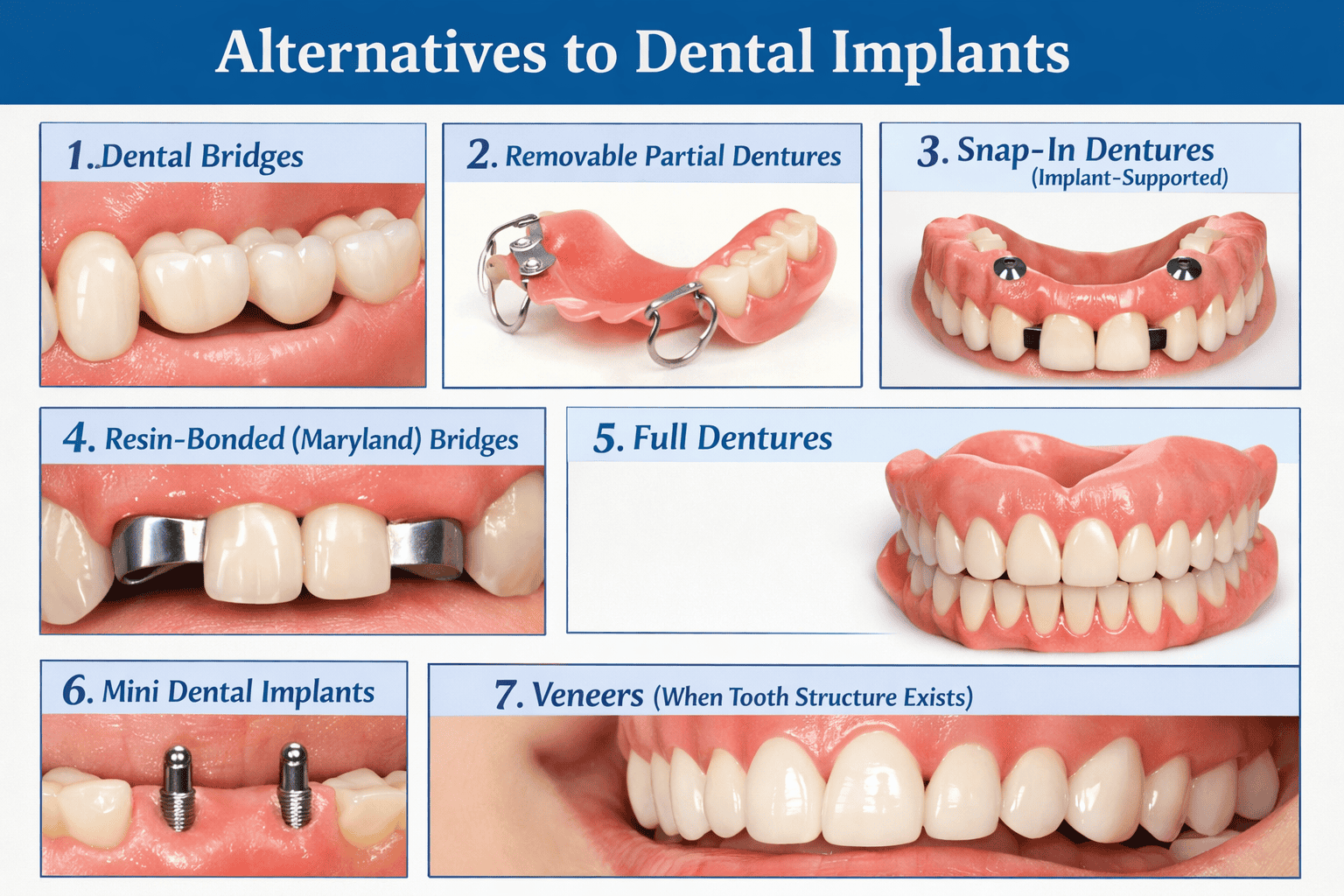
فهذا الدليل يوضح لك أفضل 7 بدائل ممكنة، مع شرح مزايا كل خيار وعيوبه وتكلفته التقريبية.
لماذا قد تفكر في بديل لزراعة الأسنان؟
تُظهر الدراسات أن نسبة نجاح زراعة الأسنان تتجاوز 90–95% خلال 10–15 سنة لدى المرضى الأصحاء (Esposito وآخرون، 2010).
ومع ذلك، قد لا تكون مناسبة في الحالات التالية:
-
فقدان عظم الفك
-
الأمراض المزمنة غير المسيطر عليها (مثل السكري)
-
التدخين
-
ارتفاع التكلفة
-
الخوف من الجراحة
-
طول فترة العلاج
لحسن الحظ، توجد عدة حلول فعالة يمكن أن تكون مناسبة حسب حالتك.
1. الجسر السني
ما هو الجسر؟
الجسر هو تعويض ثابت يُستخدم لملء الفراغ الناتج عن فقدان سن، حيث يتم تثبيت السن الصناعي بالاعتماد على الأسنان المجاورة.
المزايا
✔ أقل تكلفة من الزراعة
✔ مدة علاج قصيرة (أسبوع إلى أسبوعين)
✔ لا يحتاج إلى جراحة
العيوب
✘ يتطلب برد الأسنان السليمة المجاورة
✘ لا يمنع تآكل عظم الفك
✘ متوسط عمره 10–15 سنة
مقارنة التكلفة التقريبية (للسن الواحد)
| العلاج | أمريكا | تركيا | الإمارات |
|---|---|---|---|
| زراعة الأسنان | 3000–5000 دولار | 600–1200 دولار | 1800–3500 دولار |
| الجسر | 1500–3000 دولار | 300–800 دولار | 1000–2000 دولار |
عادةً ما يكون الجسر أقل تكلفة بنسبة 40–60% من الزراعة.
2. طقم الأسنان الجزئي المتحرك
ما هو؟
جهاز متحرك يُستخدم لتعويض سن أو عدة أسنان مفقودة.
المزايا
✔ الخيار الأكثر توفيرًا
✔ لا يتطلب جراحة
✔ سهل التعديل أو الإصلاح
العيوب
✘ ثبات أقل
✘ قد يؤثر مؤقتًا على النطق
✘ يجب نزعه يوميًا
التكلفة التقريبية
تتراوح بين 500–2000 دولار حسب المواد والدولة.
3. أطقم الأسنان المثبتة على زرعات
حل وسط بين الطقم المتحرك والزراعة الكاملة، حيث تُستخدم عدد محدود من الزرعات لتثبيت الطقم.
المزايا
✔ ثبات أفضل من الطقم التقليدي
✔ أقل تكلفة من زراعة الفك الكامل
التكلفة
أقل بنسبة 30–50% تقريبًا من إعادة تأهيل كامل الفك بالزرعات.
هذا الخيار مناسب لمن يبحث عن ثبات أكبر دون تحمل التكلفة الكاملة للزرعات.
4. الجسر اللاصق
يُستخدم غالبًا لتعويض الأسنان الأمامية.
المزايا
✔ يحتاج إلى تحضير بسيط للأسنان المجاورة
✔ إجراء أقل تدخلاً
العيوب
✘ غير مناسب للأسنان الخلفية
✘ قد ينفصل مع الوقت
التكلفة
أقل بنسبة 20–40% من الجسر التقليدي.
5. طقم الأسنان الكامل
يُستخدم لتعويض جميع الأسنان في أحد الفكين.
التكلفة التقريبية
| الدولة | التكلفة لكل فك |
|---|---|
| أمريكا | 1000–3000 دولار |
| تركيا | 400–900 دولار |
| الإمارات | 1200–2500 دولار |
تُعتبر أطقم الأسنان الكاملة أقل تكلفة بكثير من زراعة كامل الفم.
6. الزرعات المصغّرة
الزرعات المصغّرة هي نسخة أصغر قطرًا من زراعة الأسنان التقليدية، وتُستخدم غالبًا في الحالات التي لا تتوفر فيها كثافة عظم كافية أو عندما يرغب المريض في إجراء أقل تدخلاً جراحيًا.
المزايا
✔ إجراء أبسط وأقل تدخلاً
✔ فترة شفاء أقصر
✔ تكلفة أقل من الزراعة التقليدية
العيوب
✘ ليست مناسبة لكل الحالات
✘ تتحمل ضغط مضغ أقل
✘ قد يكون عمرها الافتراضي أقصر في بعض الحالات
التكلفة
عادةً ما تكون أقل بنسبة 20–30% من زراعة الأسنان التقليدية.
تُستخدم الزرعات المصغّرة غالبًا لتثبيت أطقم الأسنان أو لتعويض الأسنان الصغيرة.
7. الفينير – في حال وجود بنية سنية سليمة
يعتقد بعض المرضى أن الفينير بديل مباشر لزراعة الأسنان، لكن هذا غير دقيق.
الفينير لا يعوض السن المفقود، بل يُستخدم لتحسين مظهر الأسنان الموجودة.
يمكن أن يكون الفينير خيارًا مناسبًا عندما:
-
يكون السن موجودًا ولكن متضررًا شكليًا
-
تكون المشكلة تجميلية فقط
-
يرغب المريض في تحسين الابتسامة بسرعة
زراعة الأسنان أم الفينير؟
مقارنة شاملة من حيث الوظيفة والتكلفة والعمر الافتراضي
من أكثر الأسئلة شيوعًا بين المرضى:
“هل أختار زراعة الأسنان أم الفينير؟”
الإجابة تعتمد على طبيعة المشكلة:
هل هي فقدان سن فعلي أم مشكلة تجميلية؟
أولًا: الهدف العلاجي
زراعة الأسنان
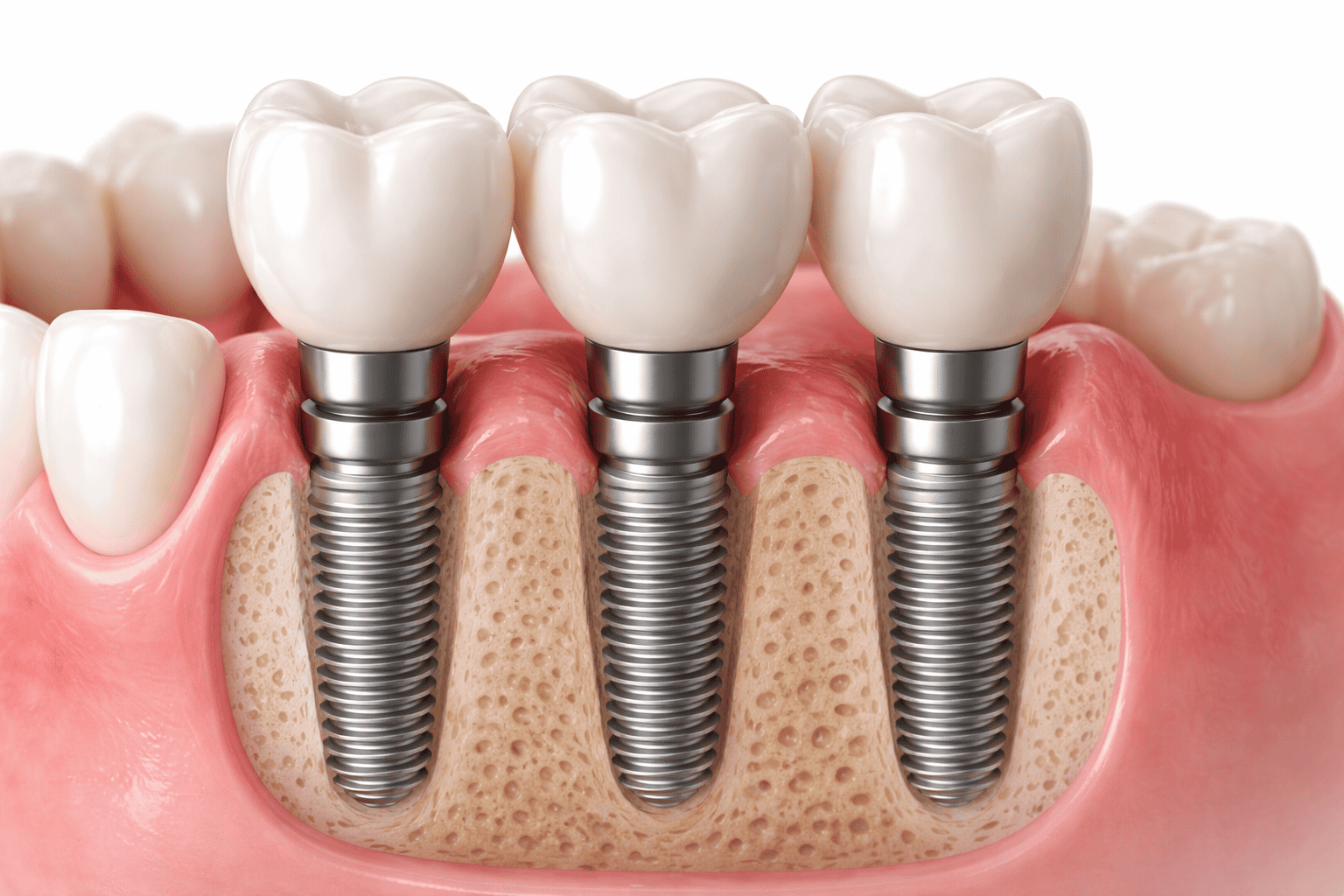
تهدف زراعة الأسنان إلى تعويض السن بالكامل، بما في ذلك الجذر.
يتم تثبيت دعامة تيتانيوم داخل عظم الفك، ثم تركيب تاج صناعي فوقها.
تُوصى الزراعة في الحالات التالية:
-
فقدان السن بالكامل
-
تلف شديد في الجذر
-
الحاجة إلى حل طويل الأمد يعيد وظيفة المضغ
تُظهر الدراسات أن معدل نجاح الزراعة يتجاوز 90–95% خلال 10–15 سنة لدى المرضى الأصحاء (Esposito وآخرون، 2010).
الفينير
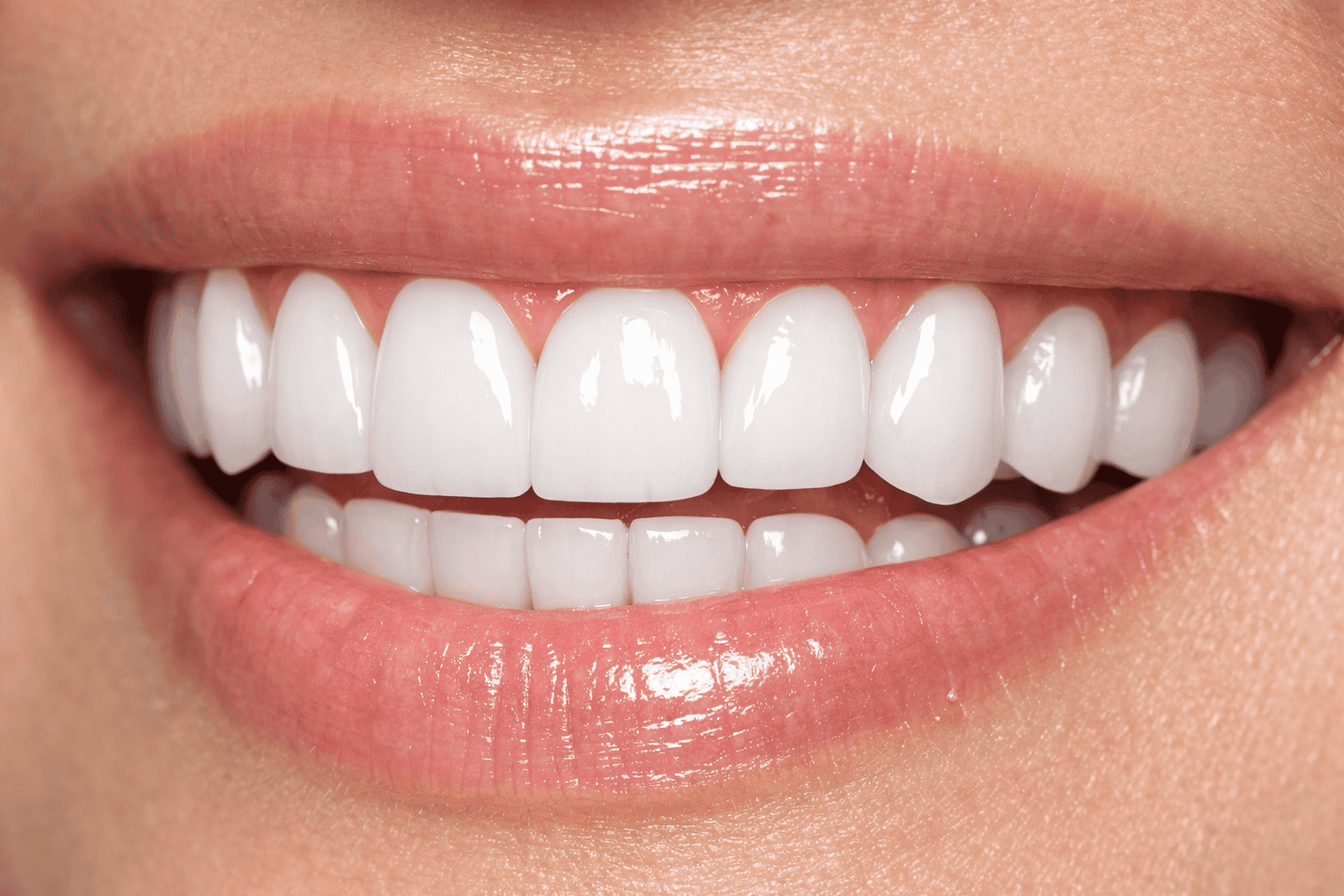
الفينير عبارة عن قشور رفيعة (خزفية أو تجميلية) تُثبت على السطح الأمامي للسن.
يُستخدم الفينير لتحسين:
-
لون الأسنان
-
الشكل
-
الفراغات
-
التشققات البسيطة
لكنه لا يعوض السن المفقود ولا يعيد وظيفة الجذر.
ثانيًا: الجراحة أم لا؟
| العلاج | هل يتطلب جراحة؟ |
|---|---|
| زراعة الأسنان | نعم |
| الفينير | لا |
الزراعة تتطلب تدخلًا جراحيًا وفترة التئام قد تمتد لعدة أشهر.
الفينير إجراء تجميلي بسيط غالبًا يُنجز خلال جلستين.
ثالثًا: الحفاظ على عظم الفك
عند فقدان سن، يبدأ عظم الفك في التآكل تدريجيًا بسبب غياب التحفيز.
زراعة الأسنان تساعد على الحفاظ على كثافة العظم لأنها تحاكي وظيفة الجذر الطبيعي.
وقد أثبتت الأبحاث أن الزراعة تقلل من امتصاص العظم مقارنة بترك الفراغ دون علاج (Albrektsson وآخرون، 1986).
أما الفينير فلا يؤثر على العظم لأنه يُركّب فوق سن موجود.
رابعًا: العمر الافتراضي
-
زراعة الأسنان: 15–25 سنة أو أكثر
-
الفينير الخزفي: 10–15 سنة
-
الفينير التجميلي (الكومبوزيت): 5–7 سنوات
الزراعة تتحمل ضغط المضغ بشكل أفضل وتُعتبر أكثر استدامة على المدى الطويل.
خامسًا: مقارنة التكلفة
| العلاج | أمريكا | تركيا | الإمارات |
|---|---|---|---|
| زراعة الأسنان | 3000–5000 دولار | 600–1200 دولار | 1800–3500 دولار |
| فينير خزفي | 800–2500 دولار | 250–600 دولار | 700–1500 دولار |
الفينير أقل تكلفة في البداية، لكن قد يحتاج إلى استبدال بعد سنوات، ما يزيد التكلفة التراكمية.
متى يكون الفينير خيارًا أفضل؟
✔ عندما يكون الجذر سليمًا
✔ عندما تكون المشكلة تجميلية بحتة
✔ عند الرغبة في نتائج سريعة
✔ في حال وجود ميزانية محدودة
متى تكون الزراعة الحل الصحيح؟
✔ في حال فقدان السن بالكامل
✔ عند وجود تلف جذري شديد
✔ عند الحاجة إلى حل دائم يعيد الوظيفة الكاملة
لا يمكن للفينير أن يحل محل سن مفقود.
السياحة العلاجية لزراعة الأسنان والتجميل السني
يتجه العديد من المرضى إلى دول مثل تركيا، الإمارات، وإيران لإجراء علاجات الأسنان بسبب:
-
انخفاض التكاليف بنسبة تصل إلى 60–70%
-
وجود عيادات معتمدة وتجهيزات حديثة
-
خبرة واسعة لدى أطباء التعويضات السنية والتجميل
هذا الفارق الكبير في الأسعار يجعل العلاج في الخارج خيارًا جذابًا لكثير من المرضى.
كيف تختار طبيب الأسنان المناسب؟
الاختيار بين زراعة الأسنان والفينير لا يعتمد فقط على نوع العلاج، بل على خبرة الطبيب أيضًا.
زراعة الأسنان تتطلب تدريبًا متقدمًا في جراحة الفم أو التعويضات السنية،
بينما يحتاج الفينير إلى دقة عالية في طب الأسنان التجميلي والترميمي.
لذلك من المهم مراجعة طبيب مختص، وإجراء فحوصات أشعة وتقييم شامل للحالة قبل اتخاذ القرار.
إذا كنت تبحث عن أطباء أسنان مؤهلين في دول مختلفة مثل تركيا أو الإمارات أو إيران، يمكنك استعراض ملفات الأطباء المتخصصين عبر منصة طبيبو ومقارنة الخبرات والتخصصات واختيار الأنسب لحالتك.
الخلاصة النهائية
رغم أن زراعة الأسنان تُعد الحل الأكثر شمولًا لتعويض الأسنان المفقودة، إلا أنها ليست الخيار الوحيد.
الجسور، الأطقم، الزرعات المصغّرة، والفينير لكل منها دور محدد يعتمد على:
-
الحالة السريرية
-
صحة العظم
-
الأهداف الجمالية
-
الميزانية
-
مدة العلاج المطلوبة
القرار الأفضل هو القرار المبني على تقييم طبي دقيق واستشارة متخصصة.