Summary
- Understanding Machine Learning and AI in Healthcare
- Advancements in Diagnostics
- Enhanced Treatment Planning
- Improved Patient Care
- Streamlined Administrative Processes
- Advancements in Research and Drug Development
- Ongoing Research and Future Prospects
- Conclusion
- FAQs About AI and Machine Learning in Healthcare
Machine learning (ML) and artificial intelligence (AI) are revolutionizing the healthcare industry, bringing transformative changes in diagnostics, treatment planning, patient care, and administrative processes. These technologies are enhancing the accuracy, efficiency, and accessibility of healthcare services, leading to improved patient outcomes and operational efficiencies. This article explores the profound impact of ML and AI on healthcare, detailing the advancements, benefits, and future prospects.
Understanding Machine Learning and AI in Healthcare
What is Machine Learning?
Machine learning is a subset of AI that involves the use of algorithms and statistical models to enable computers to improve their performance on tasks through experience. In healthcare, ML can analyze vast amounts of data to identify patterns and make predictions without being explicitly programmed to perform specific tasks.
What is Artificial Intelligence?
Artificial intelligence refers to the simulation of human intelligence processes by machines, particularly computer systems. In healthcare, AI encompasses various technologies, including ML, natural language processing (NLP), and robotics, to perform tasks that typically require human intelligence.
Advancements in Diagnostics
AI in Medical Imaging
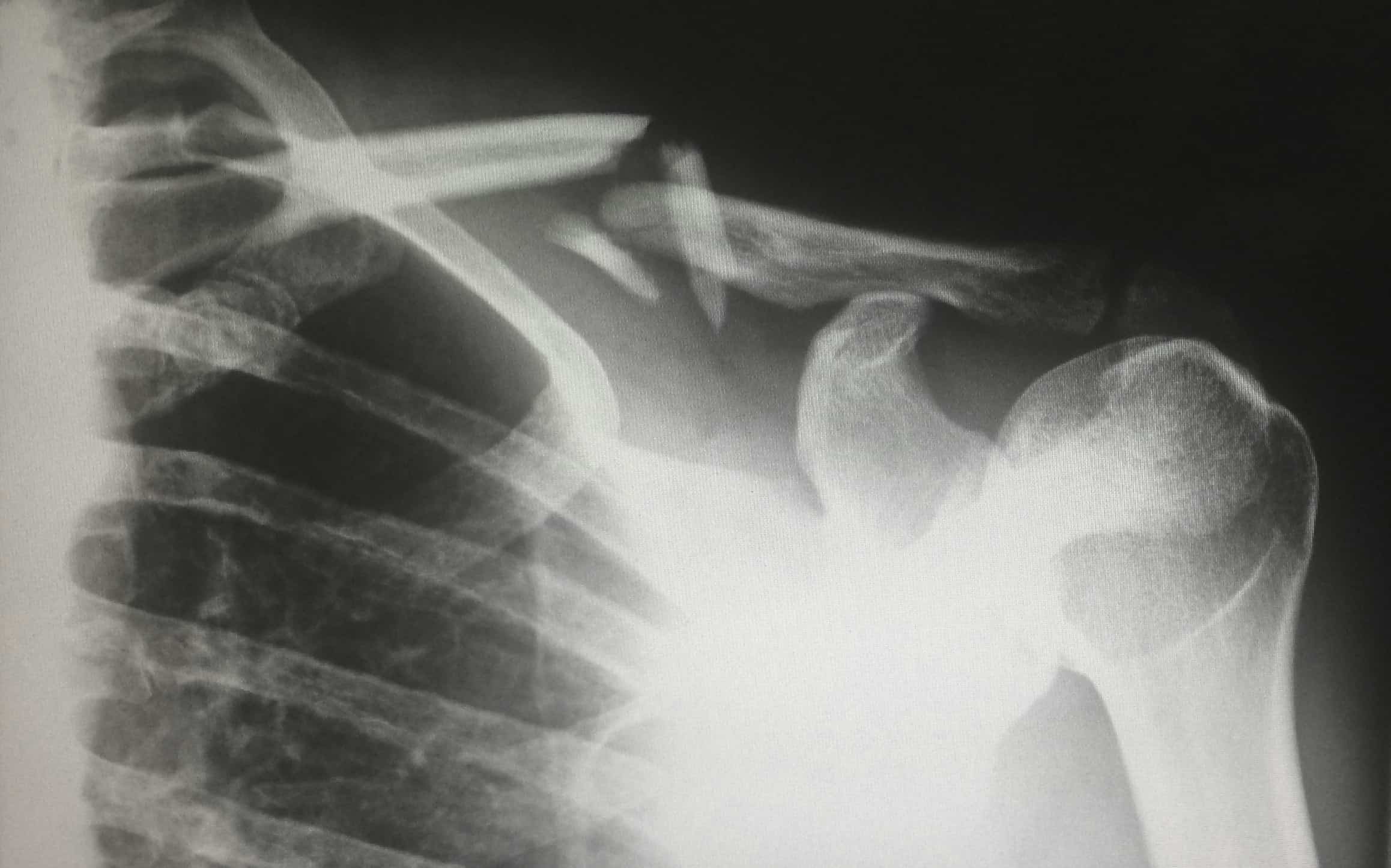
AI has significantly advanced medical imaging, aiding in the early detection and diagnosis of diseases. Machine learning algorithms can analyze medical images such as X-rays, MRIs, and CT scans with high precision, identifying abnormalities that may be missed by the human eye. For example:
- Radiology: AI tools can detect tumors, fractures, and other conditions with remarkable accuracy.
- Ophthalmology: AI can screen for diabetic retinopathy, macular degeneration, and glaucoma by analyzing retinal images.
Predictive Analytics
Machine learning models can predict disease outbreaks, patient readmissions, and disease progression. By analyzing electronic health records (EHRs) and other data sources, AI can identify high-risk patients and provide early interventions.
Enhanced Treatment Planning
Personalized Medicine
AI and ML are driving the shift towards personalized medicine, where treatments are tailored to individual patients based on their genetic makeup, lifestyle, and environment. AI algorithms can analyze genomic data to identify the most effective treatments for specific patient profiles, enhancing treatment efficacy and reducing adverse effects.
Clinical Decision Support
AI-powered clinical decision support systems assist healthcare providers in making informed decisions. These systems analyze patient data and provide evidence-based recommendations for diagnostics, treatments, and follow-up care. This helps clinicians provide more accurate and timely care.
Improved Patient Care
Virtual Health Assistants
AI-driven virtual health assistants, such as chatbots and voice-activated systems, provide patients with real-time information and support. These tools can:
- Answer medical queries.
- Provide medication reminders.
- Assist with appointment scheduling.
- Monitor chronic conditions and alert healthcare providers to any concerns.
Remote Monitoring and Telemedicine
Machine learning algorithms are integral to remote monitoring devices that track vital signs and other health metrics. These devices enable continuous monitoring of patients with chronic conditions, allowing for early detection of potential issues and timely interventions. Telemedicine platforms powered by AI facilitate virtual consultations, making healthcare more accessible, especially in remote areas.
Streamlined Administrative Processes
Automated Administrative Tasks
AI and ML are streamlining administrative tasks such as scheduling, billing, and claims processing. By automating these processes, healthcare facilities can reduce operational costs and administrative burdens, allowing healthcare professionals to focus more on patient care.
Natural Language Processing (NLP)
NLP, a branch of AI, is improving the efficiency of managing medical records and documentation. NLP algorithms can extract meaningful information from unstructured data in EHRs, enabling faster and more accurate patient documentation and reducing the time clinicians spend on paperwork.
Advancements in Research and Drug Development
Accelerated Drug Discovery
AI and ML are accelerating the drug discovery and development process. Machine learning models can analyze biological data to identify potential drug candidates, predict their efficacy, and assess possible side effects. This can significantly reduce the time and cost involved in bringing new drugs to market.
Clinical Trials Optimization
AI is optimizing clinical trials by identifying suitable participants, predicting patient responses, and monitoring trial progress. This leads to more efficient trials and faster development of new treatments.
Ongoing Research and Future Prospects
The integration of machine learning and AI in healthcare is a rapidly evolving field with ongoing research aimed at further enhancing these technologies. Some promising areas of research include:
AI in Genomics
Researchers are leveraging AI to decode the human genome, uncovering genetic markers for various diseases and potential targets for new treatments. AI’s ability to analyze vast genomic datasets quickly and accurately is paving the way for breakthroughs in understanding and treating genetic disorders.
AI-Driven Robotics
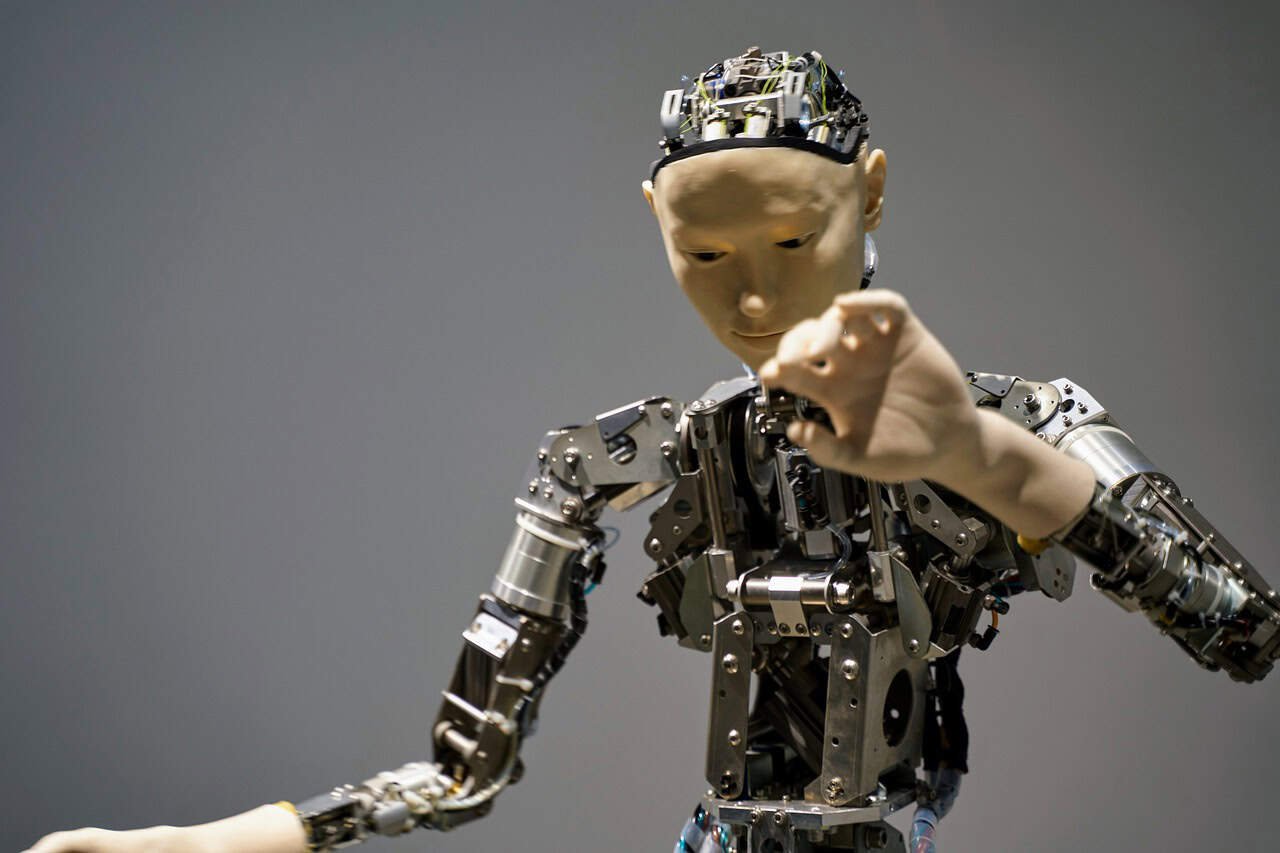
AI-driven robotics are being developed for surgical assistance, rehabilitation, and elderly care. These robots can perform precise surgical procedures, assist patients in physical therapy, and provide support for daily activities, improving patient outcomes and quality of life.
Ethical AI in Healthcare
As AI and ML become more prevalent in healthcare, there is ongoing research into the ethical implications of these technologies. Ensuring patient privacy, addressing biases in AI algorithms, and establishing regulatory frameworks are critical areas of focus.
Conclusion
Machine learning and AI are transforming healthcare, offering unprecedented opportunities to improve diagnostics, treatment planning, patient care, and administrative efficiency. As these technologies continue to advance, they hold the potential to revolutionize healthcare delivery, making it more personalized, accessible, and efficient. Ongoing research and development will further enhance the capabilities of AI and ML, leading to better health outcomes and a brighter future for healthcare.
FAQs About AI and Machine Learning in Healthcare
1. How is AI used in medical imaging?
AI analyzes medical images such as X-rays, MRIs, and CT scans to detect abnormalities with high precision, aiding in early disease detection and diagnosis.
2. What are the benefits of AI-driven personalized medicine?
AI-driven personalized medicine tailors treatments to individual patients based on their genetic makeup, lifestyle, and environment, enhancing treatment efficacy and reducing adverse effects.
3. How do AI-powered virtual health assistants help patients?
AI-powered virtual health assistants provide real-time information and support, answer medical queries, offer medication reminders, assist with appointment scheduling, and monitor chronic conditions.
4. How does AI improve the drug discovery process?
AI accelerates drug discovery by analyzing biological data to identify potential drug candidates, predict their efficacy, and assess possible side effects, reducing the time and cost involved in developing new drugs.
5. What are the ethical considerations of using AI in healthcare?
Ethical considerations include ensuring patient privacy, addressing biases in AI algorithms, and establishing regulatory frameworks to ensure the responsible and equitable use of AI in healthcare.