Summary
- Types of Nose Jobs
- Pre-Care for Nose Jobs
- Post-Care for Nose Jobs
- The Surgery Duration
- Recovery and Results Timeline
- Alternatives to Rhinoplasty
- Can Rhinoplasty Change Your Face?
- When Can I Wear Makeup After Rhinoplasty?
- How Many Rhinoplasties Can You Have?
- When Can I Work Out After Rhinoplasty?
- Bleeding After Rhinoplasty Surgery
- Ongoing Research and Advancements
- FAQs About Nose Jobs
- Conclusion
Nose jobs, or rhinoplasty, are among the most common cosmetic surgeries worldwide. This procedure can reshape, resize, or reconstruct the nose, enhancing facial harmony and boosting self-confidence. Whether for aesthetic reasons or medical necessity, understanding the intricacies of nose jobs is crucial for anyone considering this surgery. This comprehensive guide covers the types of rhinoplasty, pre- and post-care, surgery duration, recovery timeline, and answers to common questions.
Types of Nose Jobs
1. Open Rhinoplasty
Open rhinoplasty involves making an incision across the columella, the tissue between the nostrils, allowing the surgeon to lift the skin off the nose for better visibility and access to the nasal structure.
Pros:
- Provides excellent visibility for the surgeon.
- Suitable for complex reshaping and reconstruction.
Cons:
- Leaves a small, visible scar on the underside of the nose.
- Longer recovery time compared to closed rhinoplasty.
2. Closed Rhinoplasty
Closed rhinoplasty, also known as endonasal rhinoplasty, involves making incisions inside the nostrils, leaving no visible scars. This technique is typically used for minor adjustments.
Pros:
- No visible scars.
- Shorter recovery time.
Cons:
- Limited visibility for the surgeon.
- Less suitable for complex reshaping.
3. Revision Rhinoplasty
Revision rhinoplasty is performed to correct or improve the results of a previous rhinoplasty. It can address functional issues or aesthetic concerns that were not resolved in the initial surgery.
Pros:
- Improves unsatisfactory results from prior surgery.
- Can restore nasal function.
Cons:
- More complex and challenging than primary rhinoplasty.
- Higher risk of complications.
4. Functional Rhinoplasty
Functional rhinoplasty focuses on improving nasal function rather than aesthetics. This procedure can correct issues like a deviated septum, nasal obstruction, or breathing difficulties.
Pros:
- Enhances nasal function and breathing.
- Can be combined with aesthetic rhinoplasty.
Cons:
- May require additional surgeries for aesthetic adjustments.
- Complex and requires a skilled surgeon.
Pre-Care for Nose Jobs
1. Consultation and Assessment
A thorough consultation with a qualified plastic surgeon is the first step. The surgeon will evaluate your nasal structure, discuss your goals, and create a personalized surgical plan.
2. Pre-Surgery Instructions
- Avoid smoking and alcohol for at least two weeks before surgery.
- Refrain from taking blood-thinning medications and supplements, such as aspirin and vitamin E, for two weeks before the procedure.
- Follow any specific instructions given by your surgeon, including fasting if required.
Post-Care for Nose Jobs
1. Immediate Post-Surgery Care
- Keep your head elevated to reduce swelling and promote healing.
- Apply cold compresses to minimize swelling and discomfort.
- Take prescribed medications, including antibiotics and pain relievers, as directed.
2. Long-Term Care
- Avoid strenuous activities and heavy lifting for at least a month.
- Protect your nose from direct sunlight and avoid wearing glasses that rest on the bridge of your nose for several weeks.
- Follow your surgeon’s instructions for cleaning and caring for your nose.
The Surgery Duration
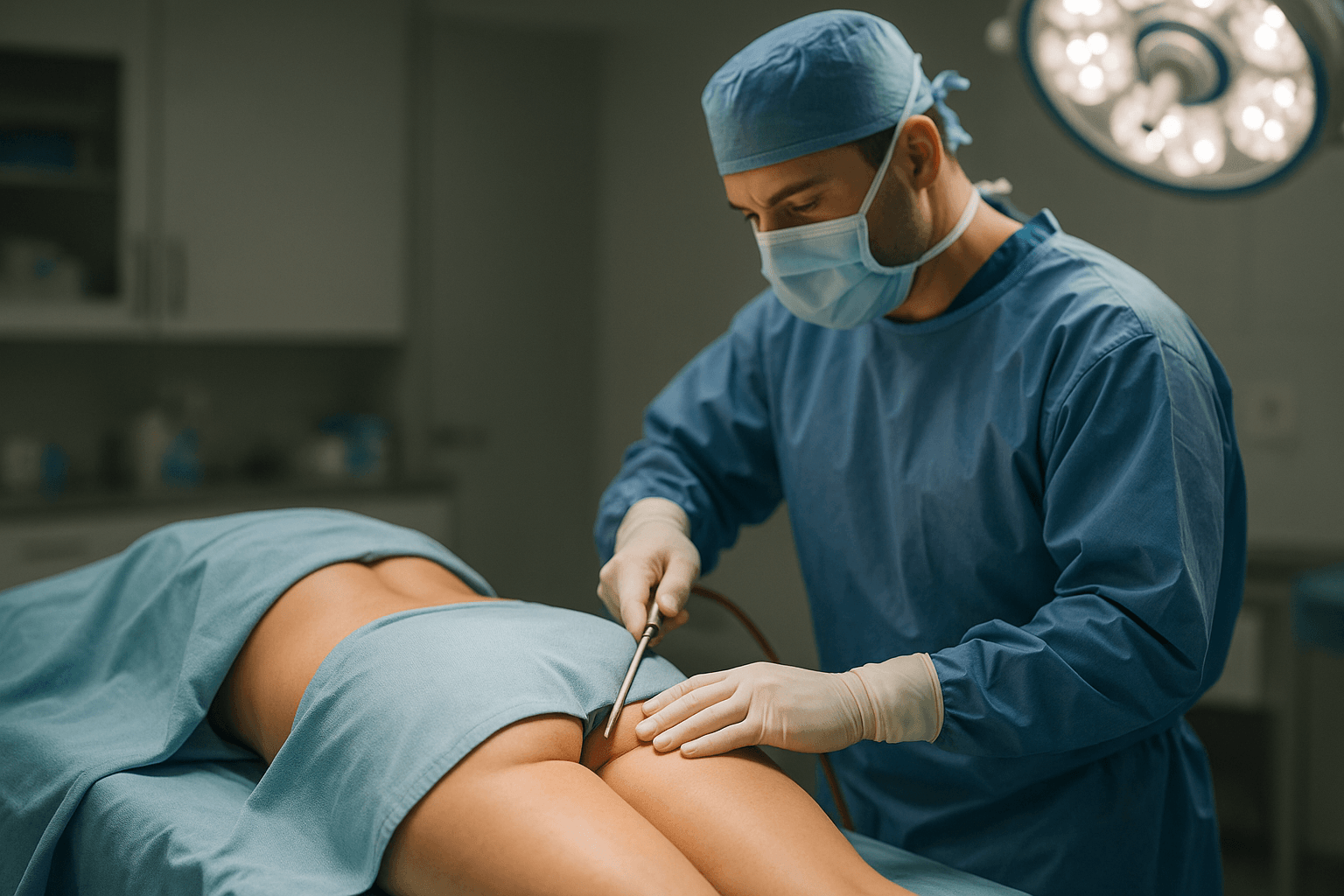
The length of a nose job surgery varies depending on the complexity and the technique used. Generally, the procedure can take between 1.5 to 3 hours. Revision rhinoplasty may take longer due to the complexity of the corrections.
Recovery and Results Timeline
1. Initial Recovery
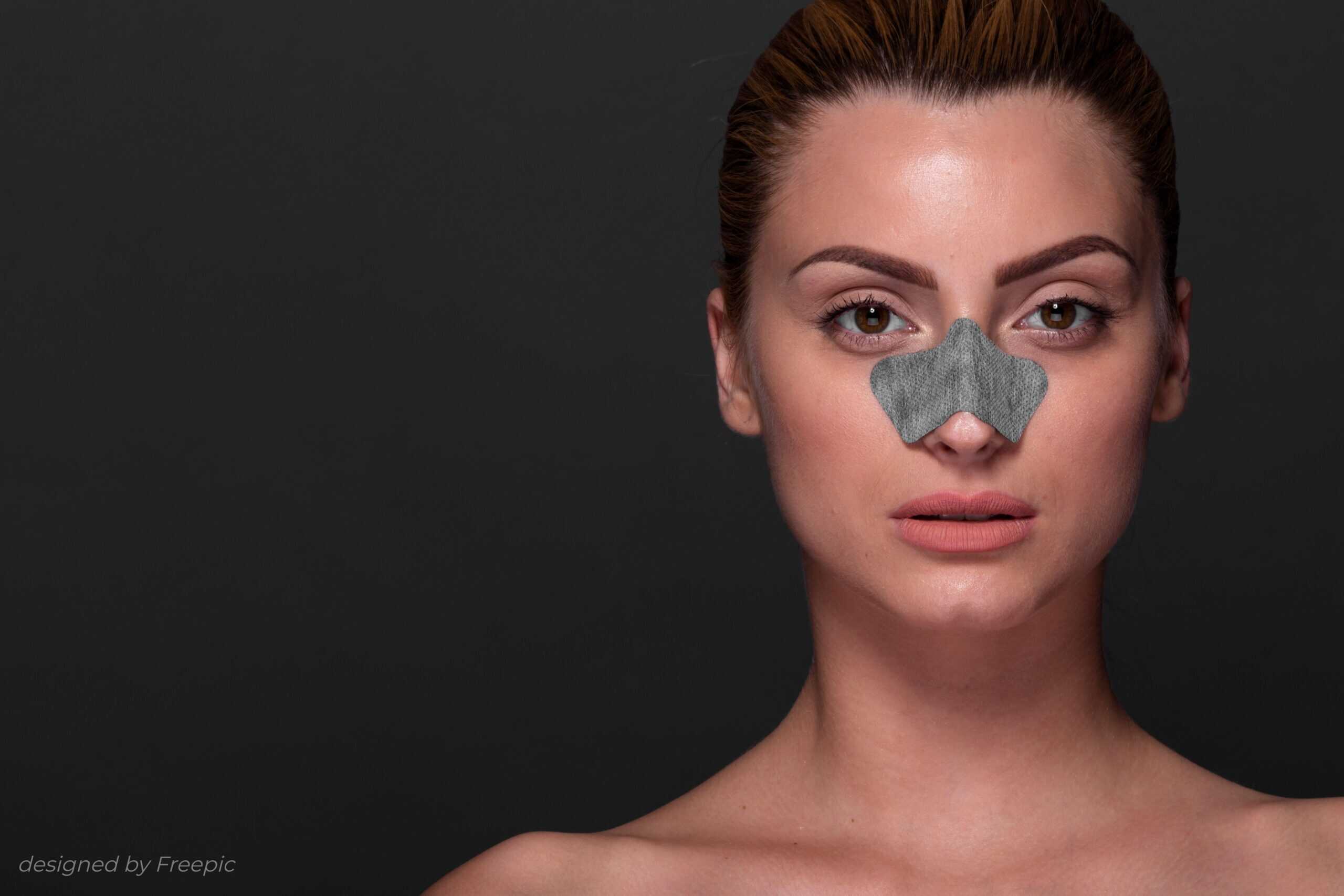
- First Week: You may experience swelling, bruising, and mild discomfort. Nasal splints and bandages will be used to support the new shape of your nose.
- 2-3 Weeks: Most of the swelling and bruising will subside. You can return to work and normal activities, avoiding strenuous exercise.
2. Long-Term Recovery
- 1-3 Months: Noticeable improvements in the shape and function of your nose. Swelling continues to decrease.
- 6-12 Months: Final results are typically visible. The nose will have settled into its new shape, and residual swelling will have resolved.
Alternatives to Rhinoplasty
If you’re considering alternatives to traditional rhinoplasty, options include non-surgical nose reshaping techniques such as dermal fillers, which can temporarily alter the shape of the nose without surgery. These methods can address minor imperfections and are less invasive, but they typically require periodic maintenance. Another alternative is using custom-made nasal splints or prosthetics for temporary adjustments. Consulting with a cosmetic specialist can help determine the most suitable option for your needs.
Can Rhinoplasty Change Your Face?
Rhinoplasty, commonly known as a nose job, can significantly alter the appearance of your face. The procedure reshapes the nose to improve its size, shape, or function, which in turn can enhance overall facial harmony. While rhinoplasty can create a more balanced and aesthetically pleasing profile, it’s important to have realistic expectations and consult with a skilled surgeon to ensure that the changes align with your facial features and goals.
When Can I Wear Makeup After Rhinoplasty?
After rhinoplasty, it’s essential to avoid applying makeup directly on the nose until it has fully healed to prevent irritation or infection. Generally, you can start wearing makeup around the nose area about two weeks after surgery. However, it’s crucial to follow your surgeon’s specific advice, as individual recovery times can vary. Make sure to use gentle, non-comedogenic products and keep the area clean.
How Many Rhinoplasties Can You Have?
There is no strict limit to the number of rhinoplasties you can undergo, but multiple surgeries can become increasingly complex and may carry higher risks. Each procedure can alter the nasal anatomy, potentially leading to complications or reduced skin elasticity. It’s important to thoroughly discuss your goals and any previous surgeries with a qualified surgeon to determine the best approach and manage expectations for additional procedures.
When Can I Work Out After Rhinoplasty?
Physical activity should be limited during the initial recovery phase after rhinoplasty. Most surgeons recommend waiting at least 3 to 4 weeks before resuming light exercise and up to 6 weeks for more strenuous activities. It’s essential to avoid activities that could increase blood flow to the nose or cause trauma to the healing tissues. Always follow your surgeon’s specific recommendations to ensure a safe and effective recovery.
Bleeding After Rhinoplasty Surgery
Bleeding is a common occurrence after rhinoplasty, especially within the first 24 to 48 hours. Post-surgical bleeding is usually minor and can be managed with prescribed medications and by following post-operative care instructions. However, if bleeding is excessive or persists beyond the initial recovery period, it’s important to contact your surgeon. Proper care, including avoiding activities that can increase bleeding and adhering to recovery guidelines, helps ensure a smooth healing process.
Ongoing Research and Advancements
1. Cartilage Regeneration
Researchers are exploring techniques for regenerating nasal cartilage using stem cells and tissue engineering. This could improve the outcomes of rhinoplasty by providing more natural and durable results.
2. 3D Imaging and Printing
Advancements in 3D imaging and printing allow for more precise planning and customization of rhinoplasty procedures. Surgeons can create detailed models of the patient’s nose to visualize the desired outcome and enhance surgical accuracy.
3. Minimally Invasive Techniques
Minimally invasive techniques, such as using fillers for non-surgical rhinoplasty, are being refined. These techniques offer temporary solutions for minor adjustments without the need for surgery.
4. AI and Robotics
AI and robotic systems are being integrated into rhinoplasty to enhance precision and consistency. These technologies assist surgeons in making more accurate incisions and adjustments, reducing the risk of human error.
FAQs About Nose Jobs
1. Are nose jobs permanent?
Yes, the results of a nose job are generally permanent. However, the nose can change slightly over time due to aging and other factors.
2. How much does a nose job cost?
The cost of a nose job varies depending on the complexity of the procedure, the surgeon’s experience, and the geographic location. On average, it ranges from $5,000 to $15,000.
3. Will I have visible scars after a nose job?
Open rhinoplasty leaves a small scar on the underside of the nose, which fades over time. Closed rhinoplasty leaves no visible scars as the incisions are made inside the nostrils.
4. How painful is a nose job?
Most patients report mild to moderate pain after the procedure, which can be managed with prescribed pain relievers. The discomfort typically subsides within a few days.
5. What countries are known for excellent nose job surgeries?
Countries known for high-quality rhinoplasty procedures include the United States, South Korea, Iran, Brazil, and Turkey. These countries have experienced surgeons and advanced medical facilities.
6. Can a nose job improve breathing?
Yes, functional rhinoplasty can correct structural issues that impair breathing, such as a deviated septum or nasal obstruction.
7. What should I avoid after a nose job?
Avoid strenuous activities, heavy lifting, blowing your nose forcefully, and wearing glasses that rest on the bridge of your nose until cleared by your surgeon.
8. Are there non-surgical alternatives to a nose job?
Non-surgical rhinoplasty, also known as liquid rhinoplasty, involves using dermal fillers to make minor adjustments to the shape of the nose. These results are temporary and not as extensive as surgical rhinoplasty.
9. What are the risks and side effects of nose jobs?
Common risks include infection, bleeding, scarring, and dissatisfaction with the results. Choosing a qualified and experienced surgeon can minimize these risks.
10. How do I choose the right surgeon for a nose job?
Look for a board-certified plastic surgeon with extensive experience in rhinoplasty. Review before-and-after photos of their work, read patient reviews, and schedule a consultation to discuss your goals and concerns.
Conclusion
Nose jobs offer a solution for both aesthetic and functional concerns, providing significant improvements in facial harmony and nasal function. Understanding the different types of rhinoplasty, pre- and post-care, and the recovery process is essential for making an informed decision. With ongoing advancements in technology and techniques, rhinoplasty continues to evolve, offering enhanced precision and patient satisfaction. If you are considering a nose job, consult with a qualified surgeon to determine the best approach for your needs and achieve the best possible results.