Summary
Body contouring has gained significant popularity in the world of cosmetic surgery, offering individuals the opportunity to reshape and enhance their body’s appearance. This article aims to provide a detailed understanding of body contouring, its various procedures, differences from other types of surgeries, and important considerations for those considering it.
What is Body Contouring?
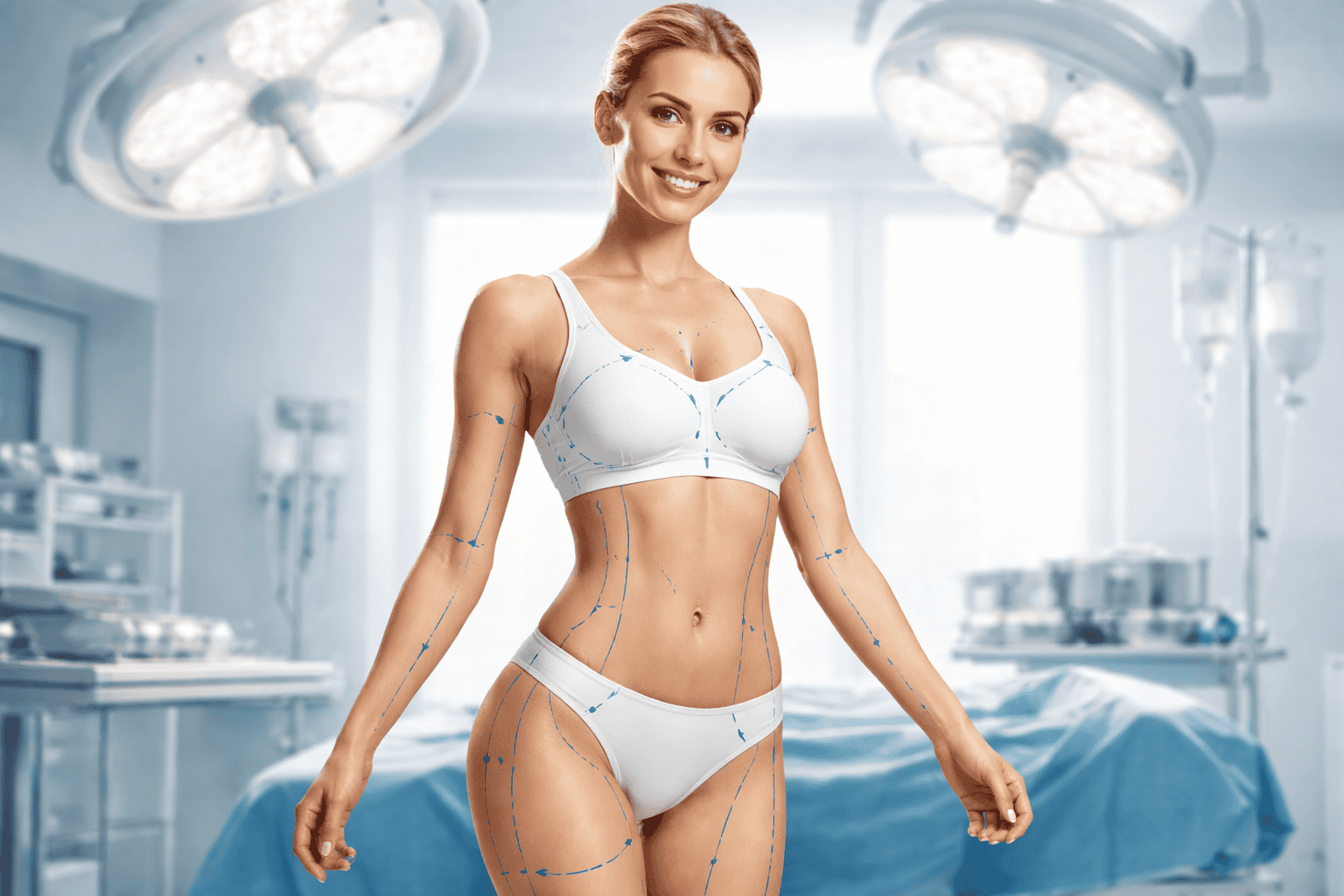
Body contouring refers to a range of surgical and non-surgical procedures designed to reshape and improve the appearance of the body. It is often sought by individuals who have experienced significant weight loss, pregnancy, or aging, which can result in excess skin and uneven fat distribution.
Types of Body Contouring Procedures
- Liposuction (For a detailed explanation you can refer to our Comprehensive Guide to Liposuction Article)
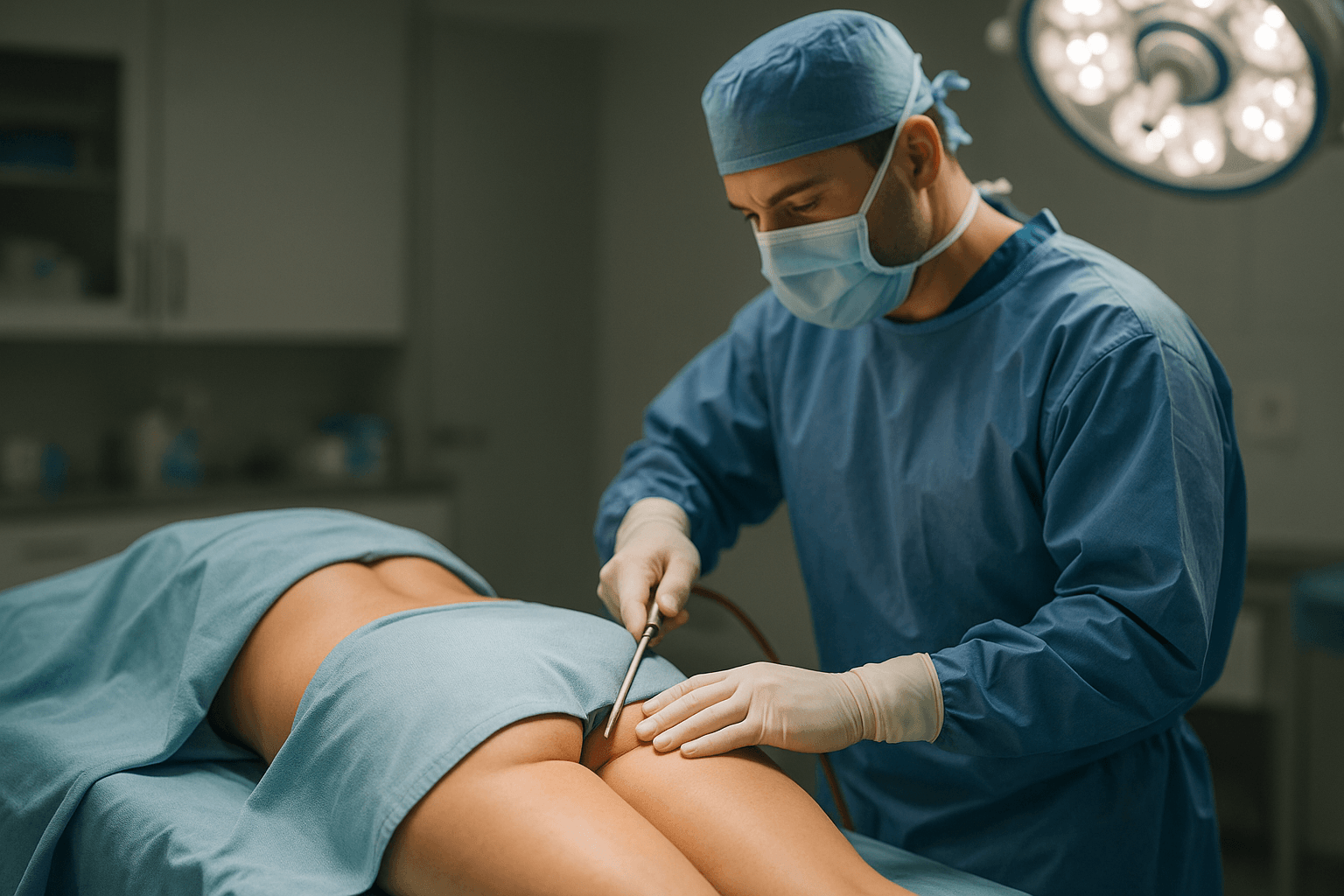
- Description: Liposuction involves the removal of excess fat deposits from specific areas of the body, such as the abdomen, thighs, buttocks, and arms, using a suction technique.
- Ideal Candidates: Individuals with stubborn fat pockets that do not respond to diet and exercise.
- Tummy Tuck (Abdominoplasty)
- Description: This procedure involves removing excess skin and fat from the abdominal area and tightening the abdominal muscles to create a smoother, firmer abdomen.
- Ideal Candidates: Individuals with loose abdominal skin and weakened muscles, often after pregnancy or significant weight loss.
- Body Lift
- Description: A body lift targets multiple areas of the body, including the abdomen, buttocks, thighs, and breasts, to remove excess skin and improve overall body contour.
- Ideal Candidates: Individuals with extensive loose skin due to massive weight loss.
- Thigh Lift
- Description: This procedure focuses on removing excess skin and fat from the inner and outer thighs to create a more toned appearance.
- Ideal Candidates: Individuals with sagging thigh skin, often due to aging or weight loss.
- Arm Lift (Brachioplasty)
- Description: An arm lift removes excess skin and fat from the upper arms to reduce sagging and improve arm contour.
- Ideal Candidates: Individuals with flabby upper arms, typically after significant weight loss.
- Buttock Augmentation
- Description: This procedure enhances the shape and size of the buttocks using implants or fat transfer techniques.
- Ideal Candidates: Individuals seeking a fuller, more lifted buttock appearance.
Differences Between Body Contouring and Other Types of Surgeries
Body Contouring vs. Weight Loss Surgery
- Purpose: Weight loss surgery (bariatric surgery) aims to reduce body weight by altering the digestive system, whereas body contouring focuses on reshaping the body by removing excess skin and fat after weight loss.
- Candidates: Weight loss surgery is suitable for individuals with severe obesity, while body contouring is ideal for those who have already achieved significant weight loss.
Body Contouring vs. Liposuction
- Scope: Liposuction is a specific type of body contouring procedure that targets localized fat deposits. In contrast, body contouring encompasses various procedures, including liposuction, to address multiple areas and concerns.
- Results: Liposuction provides targeted fat reduction, while body contouring offers comprehensive body reshaping, including skin tightening and muscle repair.
Body Contouring vs. Non-Surgical Procedures
- Techniques: Non-surgical body contouring methods, such as CoolSculpting and radiofrequency treatments, use non-invasive techniques to reduce fat and tighten skin. Surgical body contouring involves more invasive procedures with longer recovery times but often yields more dramatic results.
- Effectiveness: Surgical body contouring generally provides more significant and permanent results compared to non-surgical options, which may require multiple sessions.
Pre- and Post-Operative Care
Pre-Operative Care
- Consultation: Schedule a consultation with a board-certified plastic surgeon to discuss your goals, medical history, and determine the most suitable procedures.
- Medical Evaluation: Undergo a thorough medical evaluation to ensure you are a good candidate for surgery.
- Preparation: Follow your surgeon’s pre-operative instructions, which may include lifestyle changes, medication adjustments, and dietary recommendations.
Post-Operative Care
- Recovery Time: Recovery times vary depending on the specific procedure(s) performed. Generally, patients can expect initial swelling and bruising, which will subside over a few weeks.
- Activity Restrictions: Follow your surgeon’s guidelines regarding physical activity and avoid strenuous exercises during the initial recovery period.
- Follow-Up: Attend all scheduled follow-up appointments to monitor your progress and address any concerns.
Risks and Benefits
Risks
- Complications: As with any surgery, body contouring carries risks such as infection, scarring, and adverse reactions to anesthesia.
- Healing Issues: Poor wound healing and changes in skin sensation can occur.
Benefits
- Improved Appearance: Body contouring can significantly enhance the body’s shape and proportion, leading to increased confidence and self-esteem.
- Long-Lasting Results: The results of body contouring are generally long-lasting, especially when combined with a healthy lifestyle.
Ideal Candidates
Ideal candidates for body contouring are individuals who:
- Have achieved stable weight loss.
- Are in good overall health.
- Have realistic expectations.
- Are non-smokers or willing to quit smoking before and after surgery.
Conclusion
Body contouring offers a comprehensive solution for individuals looking to reshape and enhance their bodies after significant weight loss or pregnancy. By understanding the different procedures, risks, benefits, and ideal candidates, individuals can make informed decisions about their body contouring journey. Consulting with a qualified plastic surgeon is essential to achieve the best possible results and ensure a safe and successful outcome.
FAQs
- What is the difference between body contouring and liposuction?
- Liposuction is a specific type of body contouring procedure that removes localized fat deposits, whereas body contouring includes various procedures to address excess skin, fat, and muscle laxity.
- How long does it take to recover from body contouring surgery?
- Recovery times vary depending on the specific procedure(s) performed, but generally, patients can expect initial swelling and bruising to subside within a few weeks. Full recovery may take several months.
- Are the results of body contouring permanent?
- The results of body contouring are long-lasting, especially when combined with a healthy lifestyle. However, significant weight fluctuations can affect the results.
- What are the risks associated with body contouring surgery?
- Risks include infection, scarring, poor wound healing, and changes in skin sensation. It is important to discuss these risks with your surgeon before undergoing surgery.
- Who is an ideal candidate for body contouring?
- Ideal candidates are individuals who have achieved stable weight loss, are in good overall health, have realistic expectations, and are non-smokers or willing to quit smoking before and after surgery.