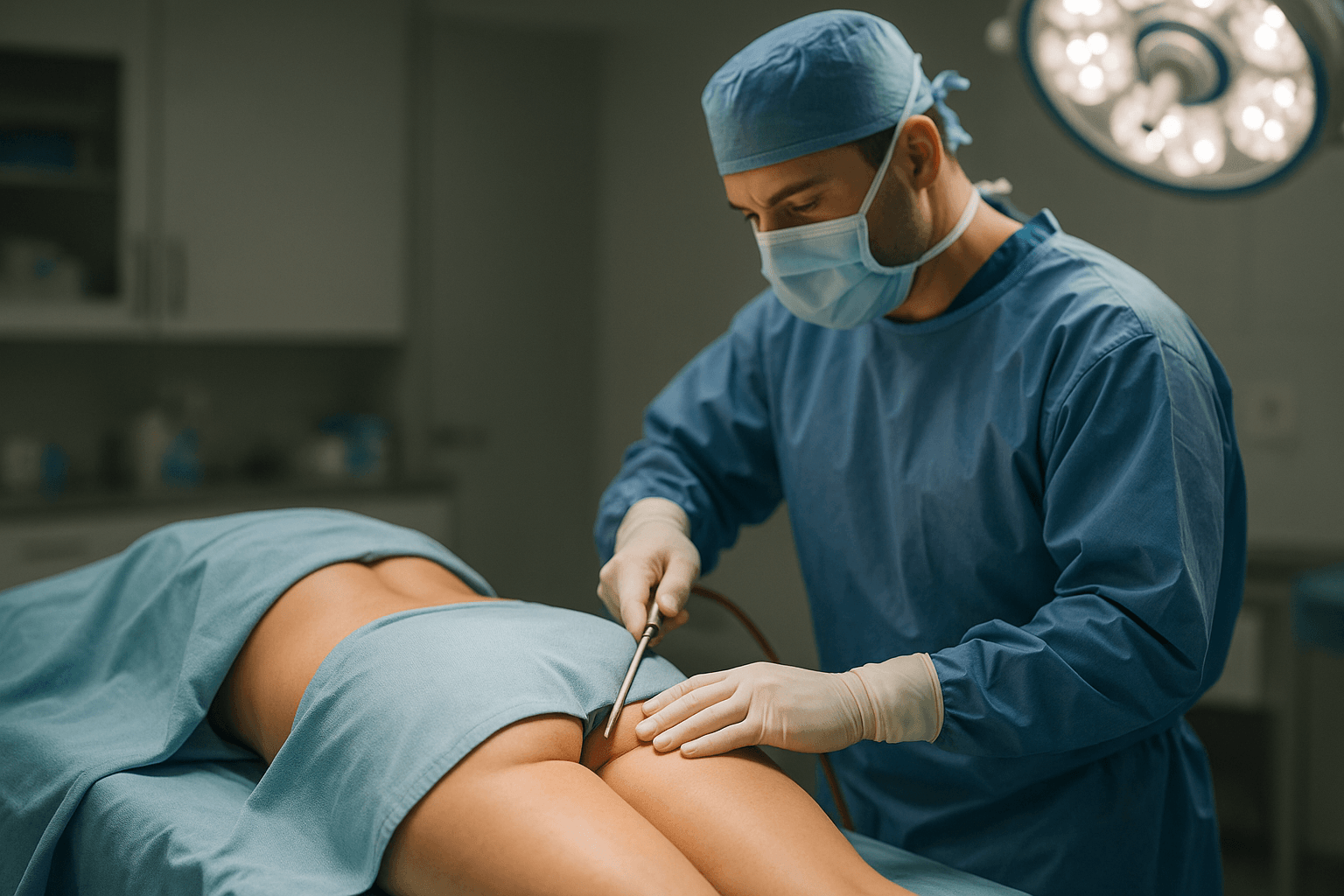
Gastric Sleeve and Gastric Bypass: Your Guide to Bariatric Surgery Options

A fat woman boxing and tired of her obesity

Summary

Bariatric surgery is a powerful intervention for those struggling with severe obesity. This detailed guide covers the types of bariatric surgery, including gastric sleeve and gastric bypass, ideal candidates, statistics, leading countries, risks and advantages, age and gender considerations, genetics, nutrition, pre- and post-care, medications, alternative treatments, expectations, and common misconceptions.


What is Bariatric Surgery?

Bariatric surgery refers to a group of surgical procedures designed to help people lose weight by making changes to their digestive system. These surgeries are usually recommended for individuals who have not achieved significant weight loss through diet, exercise, or medication.


Types of Bariatric Surgery

Gastric Sleeve (Sleeve Gastrectomy)

Procedure: This involves removing approximately 75-80% of the stomach, leaving a tube-like “sleeve.” This smaller stomach holds less food and produces less of the hormone ghrelin, which reduces appetite.

Benefits: Significant weight loss, improved obesity-related conditions (e.g., type 2 diabetes, hypertension).

Recovery Time: Typically 2-4 weeks for full recovery.


Gastric Bypass (Roux-en-Y Gastric Bypass)

Procedure: The surgeon creates a small pouch at the top of the stomach and connects it directly to the small intestine, bypassing most of the stomach and the first part of the small intestine. This reduces food intake and nutrient absorption.

Benefits: More significant and faster weight loss compared to the gastric sleeve, improved obesity-related conditions, reduced appetite due to hormonal changes.

Recovery Time: Typically 4-6 weeks for full recovery.


Ideal Candidates for Bariatric Surgery

  • BMI: A body mass index (BMI) of 40 or higher, or a BMI of 35-39.9 with serious obesity-related health conditions (e.g., type 2 diabetes, hypertension).
  • Age: Generally, candidates are between 18 and 65 years old, though exceptions can be made.
  • Health Status: Must be in relatively good health and able to undergo surgery.
  • Weight Loss Attempts: Have attempted to lose weight through diet and exercise without success.
  • Commitment: Willingness to adhere to a lifelong healthy lifestyle, including diet, exercise, and medical follow-ups.

Comparing Gastric Sleeve vs. Gastric Bypass

When considering bariatric surgery, understanding the differences between gastric sleeve and gastric bypass is crucial to making an informed decision. Here’s a comparison of these two popular weight loss surgeries:

Pros and Cons of Gastric Sleeve (Sleeve Gastrectomy)

Procedure:

  • Surgical Method: Involves removing approximately 75-80% of the stomach, leaving a narrow, tube-like sleeve.
  • Mechanism: Reduces the stomach’s capacity, leading to decreased food intake and reduced hunger due to lower production of the hormone ghrelin.

Advantages:

  • Simpler Procedure: Generally less complex than gastric bypass.
  • Lower Risk of Nutrient Deficiency: Since the intestines are not bypassed, the risk of nutrient malabsorption is lower.
  • Shorter Surgery Time: Typically shorter than gastric bypass surgery.

Disadvantages:

  • Permanent: The procedure is irreversible.
  • Less Effective for Severe Obesity: May result in slightly less weight loss compared to gastric bypass.

Ideal Candidates:

  • Suitable for individuals with a BMI of 40 or higher, or a BMI of 35-39.9 with serious obesity-related health conditions.

Pros and Cons of Gastric Bypass (Roux-en-Y Gastric Bypass)

Procedure:

  • Surgical Method: Creates a small pouch at the top of the stomach and connects it directly to the small intestine, bypassing a large part of the stomach and the first part of the small intestine.
  • Mechanism: Reduces food intake and nutrient absorption, leading to significant weight loss and hormonal changes that reduce appetite and improve insulin sensitivity.

Advantages:

  • More Effective Weight Loss: Typically results in more significant and faster weight loss compared to gastric sleeve.
  • Improvement in Comorbidities: Often leads to significant improvements in obesity-related conditions, such as type 2 diabetes and hypertension.

Disadvantages:

  • More Complex Surgery: Involves more complex surgical techniques and a longer recovery period.
  • Higher Risk of Nutrient Deficiency: Due to bypassing parts of the intestine, there is a higher risk of nutrient malabsorption and deficiencies.

Ideal Candidates:

  • Suitable for individuals with a BMI of 40 or higher, or a BMI of 35-39.9 with serious obesity-related health conditions, especially those needing rapid weight loss and significant improvement in comorbidities.

Recovery and Lifestyle Considerations

  • Recovery Time: Gastric sleeve typically has a shorter recovery time (2-4 weeks) compared to gastric bypass (4-6 weeks).
  • Diet and Nutrition: Both procedures require lifelong dietary changes and supplementation of vitamins and minerals, but the need is more critical in gastric bypass due to nutrient malabsorption.
  • Follow-Up Care: Regular follow-up with healthcare providers is essential for both surgeries to monitor progress, manage complications, and ensure adherence to dietary guidelines.

Statistics and Leading Countries

  • Prevalence: According to the American Society for Metabolic and Bariatric Surgery (ASMBS), over 250,000 bariatric surgeries are performed annually in the United States.
  • Success Rates: Gastric sleeve and gastric bypass surgeries have high success rates, with patients losing an average of 50-70% of their excess weight within 1-2 years.
  • Leading Countries: The United States, Mexico, Turkey, India, and Brazil are known for their advanced bariatric surgery practices and experienced surgeons.

Risks and Advantages

Risks

  • Surgical Complications: Infection, bleeding, and adverse reactions to anesthesia.
  • Long-Term Complications: Nutrient deficiencies, bowel obstruction, gallstones, and hernias.
  • Dumping Syndrome: Rapid gastric emptying causing nausea, vomiting, diarrhea, and dizziness.

Advantages

  • Significant Weight Loss: Both procedures lead to substantial weight loss, improving quality of life.
  • Improved Health: Reduction or resolution of obesity-related conditions, such as type 2 diabetes, hypertension, sleep apnea, and heart disease.
  • Increased Longevity: Studies show that bariatric surgery can significantly increase life expectancy in severely obese individuals.

Age, Gender, and Genetics

Age

While bariatric surgery is typically performed on adults between 18 and 65, it can be considered for adolescents with severe obesity and associated health problems under strict medical supervision.

Gender

Women are more likely than men to undergo bariatric surgery, possibly due to a higher prevalence of severe obesity among women. However, the outcomes and benefits are significant for both genders.

Genetics

Genetics play a crucial role in obesity. Some individuals have a genetic predisposition that makes it difficult to lose weight through traditional methods. Bariatric surgery can help overcome these genetic barriers by physically limiting food intake and altering metabolism.

Nutrition and Foods

Pre-Care Nutrition

  • Diet: Patients may need to follow a pre-surgery diet to reduce liver size and facilitate the surgery. This typically involves a high-protein, low-carbohydrate diet.
  • Vitamin Supplements: Ensuring adequate intake of vitamins and minerals to prevent deficiencies.

Post-Care Nutrition

  • Diet Progression: Patients start with a liquid diet, gradually transitioning to pureed foods, soft foods, and eventually solid foods over several weeks.
  • Protein Intake: High protein intake is crucial to support healing and maintain muscle mass.
  • Vitamins and Supplements: Lifelong supplementation of vitamins and minerals, such as vitamin B12, iron, calcium, and vitamin D, to prevent deficiencies.

An obese and tired woman sitting on a chair in a gym

Medications

  • Pain Management: Post-operative pain is managed with prescribed medications.
  • Vitamin and Mineral Supplements: Essential to prevent deficiencies due to reduced nutrient absorption.
  • Antibiotics: To prevent infection.
  • Antacids: To reduce the risk of gastric ulcers.

Alternative Medicine and Treatments

  • Diet and Exercise: Continued efforts in diet modification and physical activity.
  • Medications: Weight loss medications like Orlistat, Phentermine, or newer medications such as GLP-1 receptor agonists.
  • Behavioral Therapy: Psychological support and counseling to address eating behaviors and emotional health.
  • Endoscopic Procedures: Less invasive procedures like gastric balloon placement.

What to Expect

Before Surgery

  • Medical Evaluation: Comprehensive health assessment, including blood tests, imaging studies, and consultations with various specialists.
  • Pre-Surgery Diet: Following a specific diet to prepare the body for surgery.
  • Education: Learning about the surgery, recovery process, and lifestyle changes.

During Surgery

  • Procedure Duration: Gastric sleeve and gastric bypass surgeries typically take 1-3 hours, depending on the complexity.
  • Anesthesia: General anesthesia is used to ensure the patient is unconscious and pain-free.

After Surgery

  • Hospital Stay: Patients usually stay in the hospital for 2-3 days for monitoring and initial recovery.
  • Recovery: Gradual return to normal activities over 4-6 weeks, with specific guidelines on diet and physical activity.
  • Follow-Up: Regular follow-up visits with the healthcare team to monitor progress and manage any complications.

Common Misconceptions

  • “Bariatric surgery is an easy way out.”: Bariatric surgery is not an easy fix; it requires significant lifestyle changes and commitment.
  • “You can’t eat anything after surgery.”: While dietary changes are necessary, patients can enjoy a wide variety of foods in moderation.
  • “The weight loss is only temporary.”: With proper adherence to post-surgery guidelines, weight loss can be long-term and sustainable.

Weight Gain After Gastric Sleeve

Weight gain after gastric sleeve surgery can occur for several reasons, even though the procedure initially leads to significant weight loss. Gastric sleeve surgery involves removing a portion of the stomach to limit food intake and reduce hunger by lowering the production of hunger hormones like ghrelin. However, some patients may experience weight regain due to factors such as stretching of the remaining stomach over time, leading to increased food intake. Other contributing factors include unhealthy eating habits, such as frequent snacking on high-calorie foods, lack of physical activity, or hormonal changes that affect metabolism. Addressing these issues often involves returning to dietary guidelines, increasing physical activity, and seeking support from healthcare professionals to manage eating behaviors and maintain long-term weight loss.


Weight Gain After Gastric Bypass

Weight gain after gastric bypass surgery is also a possibility, despite the procedure’s effectiveness in promoting weight loss by creating a smaller stomach pouch and bypassing part of the small intestine. Weight regain may occur due to various factors, such as the stretching of the stomach pouch or the enlargement of the connection between the stomach and the small intestine, allowing for larger food portions to be consumed. Other factors contributing to weight regain include a return to high-calorie eating habits, insufficient exercise, psychological factors like stress or emotional eating, and metabolic adaptations that slow down weight loss. To prevent or address weight gain after gastric bypass, patients may need to adhere to dietary recommendations, engage in regular physical activity, and seek guidance from nutritionists, bariatric surgeons, or support groups to address underlying behaviors and maintain long-term weight management.


Conclusion

Bariatric surgery, including gastric sleeve and gastric bypass, offers a life-changing opportunity for individuals struggling with severe obesity. These procedures provide significant weight loss, improve overall health, and enhance quality of life. However, they require a lifelong commitment to healthy eating, regular exercise, and medical follow-ups. Understanding the details, risks, and benefits can help individuals make informed decisions and achieve successful outcomes.


FAQs


Q1: What is the difference between gastric sleeve and gastric bypass surgery?

A1: Gastric sleeve surgery involves removing a large portion of the stomach, leaving a tube-like sleeve, which reduces the stomach’s capacity. Gastric bypass surgery creates a small pouch at the top of the stomach and connects it directly to the small intestine, bypassing most of the stomach and the first part of the small intestine, reducing both food intake and nutrient absorption.

Q2: Who is eligible for bariatric surgery?

A2: Ideal candidates typically have a BMI of 40 or higher, or a BMI of 35-39.9 with serious obesity-related health conditions. Candidates should be between 18 and 65 years old, in relatively good health, and have tried other weight loss methods without success.

Q3: What are the risks associated with bariatric surgery?

A3: Risks include surgical complications such as infection, bleeding, and adverse reactions to anesthesia, as well as long-term complications like nutrient deficiencies, bowel obstruction, gallstones, and dumping syndrome.

Q4: How much weight can I expect to lose after bariatric surgery?

A4: On average, patients lose 50-70% of their excess weight within 1-2 years after surgery. The amount of weight loss varies depending on the type of surgery and adherence to lifestyle changes.

Q5: How long is the recovery period after bariatric surgery?

A5: Recovery times vary, but generally, patients can expect to return to normal activities within 2-6 weeks. Full recovery may take a few months, during which time patients gradually transition through different dietary stages.

Q6: Will I need to take vitamins and supplements after bariatric surgery?

A6: Yes, lifelong supplementation of vitamins and minerals is necessary to prevent deficiencies due to reduced nutrient absorption. Common supplements include vitamin B12, iron, calcium, and vitamin D.

Q7: Can bariatric surgery help with other health conditions?

A7: Yes, bariatric surgery can improve or resolve obesity-related conditions such as type 2 diabetes, hypertension, sleep apnea, and heart disease.

Q8: Is bariatric surgery covered by insurance?

A8: Many insurance plans cover bariatric surgery if specific criteria are met, such as documentation of previous weight loss attempts and having a BMI over 40 or a BMI over 35 with related health conditions. It’s important to check with your insurance provider for specific coverage details.

Q9: Are there alternatives to bariatric surgery?

A9: Alternatives include continued diet and exercise efforts, weight loss medications, behavioral therapy, and less invasive procedures like gastric balloon placement. These alternatives may be considered for individuals who are not candidates for surgery or prefer non-surgical options.

Q10: What lifestyle changes are necessary after bariatric surgery?

A10: Post-surgery, patients need to follow a healthy, balanced diet, engage in regular physical activity, attend follow-up appointments, and take prescribed vitamins and supplements. Adopting these lifestyle changes is crucial for long-term success and maintaining weight loss.

Q11: What are the average costs of bariatric surgery?

A11: The average cost of bariatric surgery varies depending on the type of procedure, location, and healthcare provider. In the United States, the cost ranges from $15,000 to $25,000. In other countries, such as Mexico and Turkey, the costs can be significantly lower, ranging from $4,000 to $10,000. It’s important to consider these costs alongside potential insurance coverage and financing options.


Related Posts

Leave a Reply

جراحی اسلیو معده و بای پس معده: راهنمای شما برای گزینه های جراحی چاقی

A fat woman

Summary

جراحی چاقی یک مداخله قدرتمند برای کسانی است که با چاقی شدید دست و پنجه نرم می کنند. این مقاله راهنمای مفصل انواع جراحی چاقی، از جمله اسلیو معده و بای پس معده، گزینه های های ایده آل، آمار، کشورهای پیشرو، خطرات و مزایا، ملاحظات سن و جنسیت، ژنتیک، تغذیه، مراقبت های قبل و بعد از آن، داروها، درمان های جایگزین، انتظارات و باورهای غلط رایج را پوشش می دهد.


جراحی چاقی (باریاتریک) چیست؟

جراحی چاقی به گروهی از روش‌های جراحی گفته می‌شود که برای کمک به کاهش وزن افراد با ایجاد تغییراتی در سیستم گوارشی طراحی شده‌اند. این جراحی ها معمولاً برای افرادی توصیه می شود که از طریق رژیم غذایی، ورزش یا دارو به کاهش وزن قابل توجهی دست نیافته اند.


انواع جراحی چاقی

اسلیو معده (اسلیو گاسترکتومی)

روش: این عمل شامل برداشتن تقریباً 75 تا 80 درصد از معده، باقی ماندن یک “آستین” لوله مانند است. این معده کوچکتر غذای کمتری را نگه می دارد و هورمون گرلین کمتری تولید می کند که اشتها را کاهش می دهد. مزایا: کاهش وزن قابل توجه، بهبود شرایط مرتبط با چاقی (به عنوان مثال، دیابت نوع 2، فشار خون بالا). زمان بهبودی: معمولاً 2-4 هفته برای بهبودی کامل.


بای پس معده (بای پس معده Roux-en-Y)

روش کار: جراح یک کیسه کوچک در بالای معده ایجاد می کند و آن را مستقیماً به روده کوچک متصل می کند و بیشتر معده و قسمت اول روده کوچک را دور می زند. این باعث کاهش مصرف غذا و جذب مواد مغذی می شود. مزایا: کاهش وزن قابل توجه تر و سریعتر در مقایسه با اسلیو معده، بهبود شرایط مرتبط با چاقی، کاهش اشتها به دلیل تغییرات هورمونی. زمان بهبودی: معمولاً 4-6 هفته برای بهبودی کامل.


کاندیدای ایده آل برای جراحی چاقی

  • BMI: شاخص توده بدنی (BMI) 40 یا بالاتر، یا BMI 35-39.9 با شرایط سلامت جدی مرتبط با چاقی (مانند دیابت نوع 2، فشار خون بالا).
  • سن: به طور کلی، نامزدها بین 18 تا 65 سال سن دارند، اگرچه می توان استثنا قائل شد.
  • وضعیت سلامت: باید از سلامت نسبتا خوبی برخوردار باشد و بتواند تحت عمل جراحی قرار گیرد.
  • تلاش برای کاهش وزن: تلاش برای کاهش وزن از طریق رژیم غذایی و ورزش بدون موفقیت انجام داده اید.
  • تعهد: تمایل به پایبندی به یک سبک زندگی سالم مادام العمر، از جمله رژیم غذایی، ورزش، و پیگیری های پزشکی.

مقایسه اسلیو معده در مقابل بای پس معده

هنگام بررسی جراحی چاقی، درک تفاوت بین اسلیو معده و بای پس معده برای تصمیم گیری آگاهانه بسیار مهم است. در اینجا مقایسه ای از این دو جراحی محبوب کاهش وزن آورده شده است:

مزایا و معایب اسلیو معده (اسلیو گاسترکتومی)

رویه:

  • روش جراحی: شامل برداشتن تقریباً 80-75 درصد از معده و ایجاد یک آستین باریک و لوله مانند است.
  • مکانیسم: ظرفیت معده را کاهش می‌دهد که منجر به کاهش مصرف غذا و کاهش گرسنگی به دلیل تولید کمتر هورمون گرلین می‌شود.

مزایا:

  • روش ساده تر: معمولاً پیچیدگی کمتری نسبت به بای پس معده دارد.
  • کاهش خطر کمبود مواد مغذی: از آنجایی که روده ها کنار گذاشته نمی شوند، خطر سوء جذب مواد مغذی کمتر است.
  • زمان جراحی کوتاهتر: معمولاً کوتاهتر از جراحی بای پس معده است.

معایب:

  • دائمی: این روش برگشت ناپذیر است.
  • کمتر موثر برای چاقی شدید: ممکن است در مقایسه با بای پس معده باعث کاهش وزن کمی شود.

کاندیداهای ایده آل:

  • مناسب برای افراد با BMI 40 یا بالاتر، یا BMI 35-39.9 با بیماری های جدی مرتبط با چاقی.

مزایا و معایب بای پس معده (بای پس معده Roux-en-Y)

رویه:

  • روش جراحی: یک کیسه کوچک در بالای معده ایجاد می کند و آن را مستقیماً به روده کوچک متصل می کند و قسمت بزرگی از معده و قسمت اول روده کوچک را دور می زند.
  • مکانیسم: مصرف غذا و جذب مواد مغذی را کاهش می دهد و منجر به کاهش وزن قابل توجه و تغییرات هورمونی می شود که باعث کاهش اشتها و بهبود حساسیت به انسولین می شود.

مزایا:

  • کاهش وزن موثرتر: به طور معمول در مقایسه با اسلیو معده باعث کاهش وزن قابل توجه و سریعتر می شود.
  • بهبود بیماری های همراه: اغلب منجر به بهبود قابل توجهی در شرایط مرتبط با چاقی، مانند دیابت نوع 2 و فشار خون می شود.

معایب:

  • جراحی پیچیده تر: شامل تکنیک های جراحی پیچیده تر و دوره نقاهت طولانی تر است.
  • خطر بیشتر کمبود مواد مغذی: به دلیل دور زدن قسمت‌هایی از روده، خطر سوء جذب و کمبود مواد مغذی بیشتر است.

کاندیداهای ایده آل:

  • مناسب برای افرادی با BMI 40 یا بالاتر، یا BMI 35-39.9 با بیماری های جدی مرتبط با چاقی، به ویژه افرادی که نیاز به کاهش وزن سریع و بهبود قابل توجه بیماری های همراه دارند.

ملاحظات بهبودی و سبک زندگی

  • زمان بهبودی: اسلیو معده معمولاً زمان بهبودی کوتاه‌تری (2-4 هفته) در مقایسه با بای پس معده (4-6 هفته) دارد.
  • رژیم غذایی و تغذیه: هر دو روش به تغییرات رژیم غذایی مادام العمر و مکمل ویتامین ها و مواد معدنی نیاز دارند، اما این نیاز در بای پس معده به دلیل سوء جذب مواد مغذی حیاتی تر است.
  • مراقبت های بعدی: پیگیری منظم با ارائه دهندگان مراقبت های بهداشتی برای هر دو جراحی برای نظارت بر پیشرفت، مدیریت عوارض و اطمینان از رعایت دستورالعمل های غذایی ضروری است.

آمار و کشورهای پیشرو

  • شیوع: با توجه به انجمن آمریکایی جراحی متابولیک و چاقی (ASMBS)، سالانه بیش از 250000 جراحی چاقی در ایالات متحده انجام می شود.
  • میزان موفقیت: جراحی های اسلیو معده و بای پس معده نرخ موفقیت بالایی دارند، به طوری که بیماران به طور متوسط ​​50 تا 70 درصد وزن اضافی خود را در عرض 2-1 سال از دست می دهند.
  • کشورهای پیشرو: ایالات متحده آمریکا، مکزیک، ترکیه، هند و برزیل به خاطر روش های پیشرفته جراحی چاقی و جراحان مجرب خود شناخته شده اند.

خطرات و مزایا

ریسک ها

  • عوارض جراحی: عفونت، خونریزی و واکنش های نامطلوب به بیهوشی.
  • عوارض طولانی مدت: کمبود مواد مغذی، انسداد روده، سنگ کیسه صفرا و فتق.
  • سندرم دامپینگ: تخلیه سریع معده باعث تهوع، استفراغ، اسهال و سرگیجه می شود.

مزایا

  • کاهش وزن قابل توجه: هر دو روش منجر به کاهش وزن قابل توجه و بهبود کیفیت زندگی می شود.
  • بهبود سلامت: کاهش یا رفع شرایط مرتبط با چاقی، مانند دیابت نوع 2، فشار خون بالا، آپنه خواب و بیماری قلبی.
  • افزایش طول عمر: مطالعات نشان می دهد که جراحی چاقی می تواند به طور قابل توجهی امید به زندگی را در افراد چاق شدید افزایش دهد.

سن، جنسیت و ژنتیک

سن

در حالی که جراحی چاقی معمولاً بر روی بزرگسالان بین 18 تا 65 سال انجام می شود، می توان آن را برای نوجوانان مبتلا به چاقی شدید و مشکلات سلامت مرتبط تحت نظارت دقیق پزشکی در نظر گرفت.

جنسیت

زنان بیشتر از مردان تحت عمل جراحی چاقی قرار می گیرند که احتمالاً به دلیل شیوع بیشتر چاقی شدید در بین زنان است. با این حال، نتایج و منافع برای هر دو جنس قابل توجه است.

ژنتیک

ژنتیک نقش مهمی در چاقی دارد. برخی از افراد دارای استعداد ژنتیکی هستند که کاهش وزن از طریق روش های سنتی را دشوار می کند. جراحی چاقی می تواند با محدود کردن فیزیکی مصرف غذا و تغییر متابولیسم به غلبه بر این موانع ژنتیکی کمک کند.

تغذیه و غذاها

تغذیه قبل از مراقبت

  • رژیم غذایی: بیماران ممکن است نیاز به پیروی از یک رژیم غذایی قبل از جراحی برای کاهش اندازه کبد و تسهیل عمل جراحی داشته باشند. این معمولا شامل یک رژیم غذایی پر پروتئین و کم کربوهیدرات است.
  • مکمل های ویتامین: اطمینان از دریافت کافی ویتامین ها و مواد معدنی برای جلوگیری از کمبود.

تغذیه پس از مراقبت

  • پیشرفت رژیم غذایی: بیماران با یک رژیم غذایی مایع شروع می کنند و به تدریج به غذاهای پوره شده، غذاهای نرم و در نهایت غذاهای جامد در طی چند هفته تغییر می کنند.
  • مصرف پروتئین: مصرف زیاد پروتئین برای حمایت از بهبودی و حفظ توده عضلانی بسیار مهم است.
  • ویتامین ها و مکمل ها: مکمل های مادام العمر ویتامین ها و مواد معدنی مانند ویتامین B12، آهن، کلسیم و ویتامین D برای جلوگیری از کمبودها.

چاقی

داروها

  • مدیریت درد: درد بعد از عمل با داروهای تجویز شده مدیریت می شود.
  • مکمل های ویتامین و مواد معدنی: برای جلوگیری از کمبود به دلیل کاهش جذب مواد مغذی ضروری است.
  • آنتی بیوتیک ها: برای جلوگیری از عفونت.
  • آنتی اسیدها: برای کاهش خطر زخم معده.

داروهای جایگزین و درمان

  • رژیم غذایی و ورزش: تلاش مستمر در اصلاح رژیم غذایی و فعالیت بدنی.
  • داروها: داروهای کاهش وزن مانند اورلیستات، فنترمین یا داروهای جدیدتر مانند آگونیست های گیرنده GLP-1.
  • رفتار درمانی: حمایت روانشناختی و مشاوره برای رسیدگی به رفتارهای غذایی و سلامت عاطفی.
  • روش های آندوسکوپی: روش های کمتر تهاجمی مانند قرار دادن بالون معده.

چه چیزی انتظار داشته باشیم

قبل از عمل

  • ارزیابی پزشکی: ارزیابی جامع سلامت شامل آزمایش خون، مطالعات تصویربرداری و مشاوره با متخصصان مختلف.
  • رژیم غذایی قبل از جراحی: پیروی از یک رژیم غذایی خاص برای آماده سازی بدن برای جراحی.
  • آموزش: یادگیری در مورد جراحی، روند بهبودی و تغییرات سبک زندگی.

در حین جراحی

  • مدت زمان: جراحی اسلیو معده و بای پس معده معمولاً 1 تا 3 ساعت طول می کشد، بسته به پیچیدگی.
  • بیهوشی: برای اطمینان از بیهوشی و بدون درد بیمار از بیهوشی عمومی استفاده می شود.

پس از جراحی

  • اقامت در بیمارستان: بیماران معمولاً 2-3 روز برای نظارت و بهبودی اولیه در بیمارستان می مانند.
  • ریکاوری: بازگشت تدریجی به فعالیت های عادی طی 4-6 هفته، با دستورالعمل های خاص در مورد رژیم غذایی و فعالیت بدنی.
  • پیگیری: بازدیدهای بعدی منظم با تیم مراقبت های بهداشتی برای نظارت بر پیشرفت و مدیریت هر گونه عارضه.

باورهای غلط رایج

  • “جراحی چاقی راهی آسان است.”: جراحی چاقی یک راه حل آسان نیست. این نیاز به تغییرات قابل توجهی در شیوه زندگی و تعهد دارد.
  • “شما نمی توانید بعد از جراحی چیزی بخورید.”: در حالی که تغییرات رژیم غذایی ضروری است، بیماران می توانند از طیف گسترده ای از غذاها در حد اعتدال لذت ببرند.
  • “کاهش وزن فقط موقتی است.”: با رعایت صحیح دستورالعمل های بعد از جراحی، کاهش وزن می تواند طولانی مدت و پایدار باشد.

افزایش وزن بعد از اسلیو معده

افزایش وزن پس از جراحی اسلیو معده ممکن است به دلایل مختلفی رخ دهد، حتی اگر این روش در ابتدا منجر به کاهش وزن قابل توجهی شود. جراحی اسلیو معده شامل برداشتن بخشی از معده برای محدود کردن مصرف غذا و کاهش گرسنگی با کاهش تولید هورمون‌های گرسنگی مانند گرلین است. با این حال، برخی از بیماران ممکن است به دلیل عواملی مانند کشش معده باقی مانده در طول زمان، افزایش وزن را تجربه کنند که منجر به افزایش مصرف غذا می شود. سایر عوامل مؤثر عبارتند از عادات غذایی ناسالم، مانند خوردن مکرر غذاهای پرکالری، عدم فعالیت بدنی یا تغییرات هورمونی که بر متابولیسم تأثیر می گذارد. پرداختن به این مسائل اغلب شامل بازگشت به دستورالعمل های رژیم غذایی، افزایش فعالیت بدنی و جستجوی حمایت از متخصصان مراقبت های بهداشتی برای مدیریت رفتارهای غذایی و حفظ کاهش وزن طولانی مدت است.


افزایش وزن بعد از بای پس معده

افزایش وزن پس از جراحی بای پس معده نیز امکان پذیر است، علی رغم اثربخشی این روش در کاهش وزن با ایجاد یک کیسه معده کوچکتر و دور زدن بخشی از روده کوچک. افزایش وزن ممکن است به دلیل عوامل مختلفی مانند کشیده شدن کیسه معده یا بزرگ شدن اتصال بین معده و روده کوچک اتفاق بیفتد که به شما امکان می دهد بخش های بیشتری از غذا مصرف شود. سایر عوامل موثر در افزایش وزن عبارتند از بازگشت به عادات غذایی پر کالری، ورزش ناکافی، عوامل روانی مانند استرس یا غذا خوردن احساسی و سازگاری های متابولیکی که کاهش وزن را کاهش می دهد. برای جلوگیری یا رفع افزایش وزن پس از بای پس معده، بیماران ممکن است نیاز به رعایت توصیه های غذایی، شرکت در فعالیت بدنی منظم و دریافت راهنمایی از متخصصان تغذیه، جراحان چاقی، یا گروه های حمایتی برای رسیدگی به رفتارهای زمینه ای و حفظ مدیریت طولانی مدت وزن داشته باشند.


نتیجه گیری

جراحی چاقی، از جمله اسلیو معده و بای پس معده، فرصتی برای تغییر زندگی برای افرادی است که با چاقی شدید دست و پنجه نرم می کنند. این روش ها باعث کاهش وزن قابل توجه، بهبود سلامت کلی و بهبود کیفیت زندگی می شود. با این حال، آنها نیازمند تعهد مادام العمر به تغذیه سالم، ورزش منظم و پیگیری های پزشکی هستند. درک جزئیات، خطرات و مزایا می تواند به افراد کمک کند تا تصمیمات آگاهانه بگیرند و به نتایج موفقیت آمیزی دست یابند.


سوالات و جواب ها


1: تفاوت بین جراحی اسلیو معده و جراحی بای پس معده چیست؟

جراحی اسلیو معده شامل برداشتن بخش بزرگی از معده، باقی ماندن آستین لوله مانند است که ظرفیت معده را کاهش می دهد. جراحی بای پس معده یک کیسه کوچک در بالای معده ایجاد می کند و آن را مستقیماً به روده کوچک متصل می کند، بیشتر معده و قسمت اول روده کوچک را دور می زند و باعث کاهش مصرف غذا و جذب مواد مغذی می شود.

2: چه کسانی واجد شرایط جراحی چاقی هستند؟

نامزدهای ایده آل معمولاً دارای BMI 40 یا بالاتر یا BMI 35-39.9 با شرایط سلامتی جدی مرتبط با چاقی هستند. داوطلبان باید بین 18 تا 65 سال سن داشته باشند و از سلامت نسبتاً خوبی برخوردار باشند و سایر روش های کاهش وزن را بدون موفقیت امتحان کرده باشند.

3: خطرات مرتبط با جراحی چاقی چیست؟

خطرات شامل عوارض جراحی مانند عفونت، خونریزی، و واکنش های نامطلوب به بیهوشی، و همچنین عوارض طولانی مدت مانند کمبود مواد مغذی، انسداد روده، سنگ کیسه صفرا، و سندرم دامپینگ است.

4: پس از جراحی چاقی چقدر می توانم وزن کم کنم؟

بیماران به طور متوسط ​​50-70٪ وزن اضافی خود را در عرض 1-2 سال پس از جراحی از دست می دهند. میزان کاهش وزن بسته به نوع جراحی و تبعیت از تغییرات سبک زندگی متفاوت است.

5: دوره نقاهت پس از جراحی چاقی چقدر است؟

زمان بهبودی متفاوت است، اما به طور کلی، بیماران می توانند انتظار داشته باشند که در عرض 2 تا 6 هفته به فعالیت های عادی خود بازگردند. بهبودی کامل ممکن است چند ماه طول بکشد و در این مدت بیماران به تدریج مراحل مختلف رژیم غذایی را طی می کنند.

6: آیا بعد از جراحی چاقی نیاز به مصرف ویتامین ها و مکمل ها دارم؟

بله، مکمل مادام العمر ویتامین ها و مواد معدنی برای جلوگیری از کمبودهای ناشی از کاهش جذب مواد مغذی ضروری است. مکمل های رایج عبارتند از ویتامین B12، آهن، کلسیم و ویتامین D.

7: آیا جراحی چاقی می تواند به سایر شرایط سلامت کمک کند؟

بله، جراحی چاقی می تواند شرایط مرتبط با چاقی مانند دیابت نوع 2، فشار خون بالا، آپنه خواب و بیماری قلبی را بهبود بخشد یا برطرف کند.

8: آیا جراحی چاقی تحت پوشش بیمه است؟

بسیاری از طرح های بیمه، جراحی چاقی را در صورت رعایت معیارهای خاص، مانند مستندات تلاش های قبلی کاهش وزن و داشتن BMI بالای 40 یا BMI بالای 35 با شرایط سلامت مرتبط، پوشش می دهند. مهم است که با ارائه دهنده بیمه خود برای جزئیات پوشش خاص مشورت کنید.

9: آیا جایگزینی برای جراحی چاقی وجود دارد؟

جایگزین‌ها شامل تلاش‌های مداوم رژیم غذایی و ورزش، داروهای کاهش وزن، رفتار درمانی و روش‌های کمتر تهاجمی مانند قرار دادن بالون معده است. این جایگزین ها ممکن است برای افرادی در نظر گرفته شود که کاندید عمل جراحی نیستند یا گزینه های غیر جراحی را ترجیح می دهند.

10: چه تغییراتی در سبک زندگی پس از جراحی چاقی ضروری است؟

بیماران پس از جراحی باید از یک رژیم غذایی سالم و متعادل پیروی کنند، فعالیت بدنی منظمی داشته باشند، در قرار ملاقات های بعدی شرکت کنند و ویتامین ها و مکمل های تجویز شده را مصرف کنند. اتخاذ این تغییرات سبک زندگی برای موفقیت طولانی مدت و حفظ کاهش وزن بسیار مهم است.

11: میانگین هزینه های جراحی چاقی چقدر است؟

هزینه متوسط ​​جراحی چاقی بسته به نوع عمل، محل و ارائه دهنده مراقبت های بهداشتی متفاوت است. در ایالات متحده هزینه از 15000 تا 25000 دلار متغیر است. در کشورهای دیگر، مانند مکزیک و ترکیه، هزینه ها می تواند به میزان قابل توجهی کمتر باشد و از 4000 تا 10000 دلار متغیر باشد. مهم است که این هزینه ها را در کنار پوشش های بیمه ای بالقوه و گزینه های تامین مالی در نظر بگیرید.

Related Posts

Do you need to talk? Let us help you.

That's why our support team is here — to listen, guide, and help you with whatever you need.

Contact Us