Otoplasty Explained: Types, Procedures, and Recovery

A woman wearing earrings and a necklace.

Summary

Otoplasty, commonly referred to as ear surgery, is a cosmetic procedure designed to alter the shape, position, or size of the ears. It is often sought by individuals who are self-conscious about their ears’ appearance, whether due to being overly prominent, asymmetrical, or misshapen. This detailed guide explores otoplasty, its procedures, recovery times, risks, benefits, and other essential information for potential patients.


What is Otoplasty?

Otoplasty is a surgical procedure aimed at improving the appearance of the ears. It can address various issues, such as protruding ears, large or asymmetrical ears, and deformities caused by injury or congenital conditions.

Types of Otoplasty

  1. Ear Pinning (Pinnaplasty)
    • Description: This procedure involves pinning back protruding ears closer to the head to achieve a more natural look.
    • Ideal Candidates: Individuals with ears that stick out significantly from the head.
  2. Ear Reduction
    • Description: This surgery reduces the size of large ears by removing excess cartilage and skin.
    • Ideal Candidates: Individuals with macrotia, a condition characterized by overly large ears.
  3. Ear Augmentation
    • Description: Used to increase the size of the ears or reconstruct parts of the ear using grafts, often from rib cartilage.
    • Ideal Candidates: Individuals with microtia, a congenital deformity where the outer ear is underdeveloped.
  4. Earlobe Repair
    • Description: This procedure fixes stretched or torn earlobes, often caused by heavy earrings or trauma.
    • Ideal Candidates: Individuals with damaged earlobes seeking a more natural appearance.

The Otoplasty Procedure

Pre-Operative Preparation

  • Consultation: Initial consultation with a board-certified plastic surgeon to discuss goals, expectations, and potential outcomes.
  • Medical Evaluation: Complete medical history and examination to ensure suitability for surgery.
  • Pre-Surgery Instructions: Patients may be advised to avoid certain medications, such as aspirin, which can increase bleeding.

During the Surgery

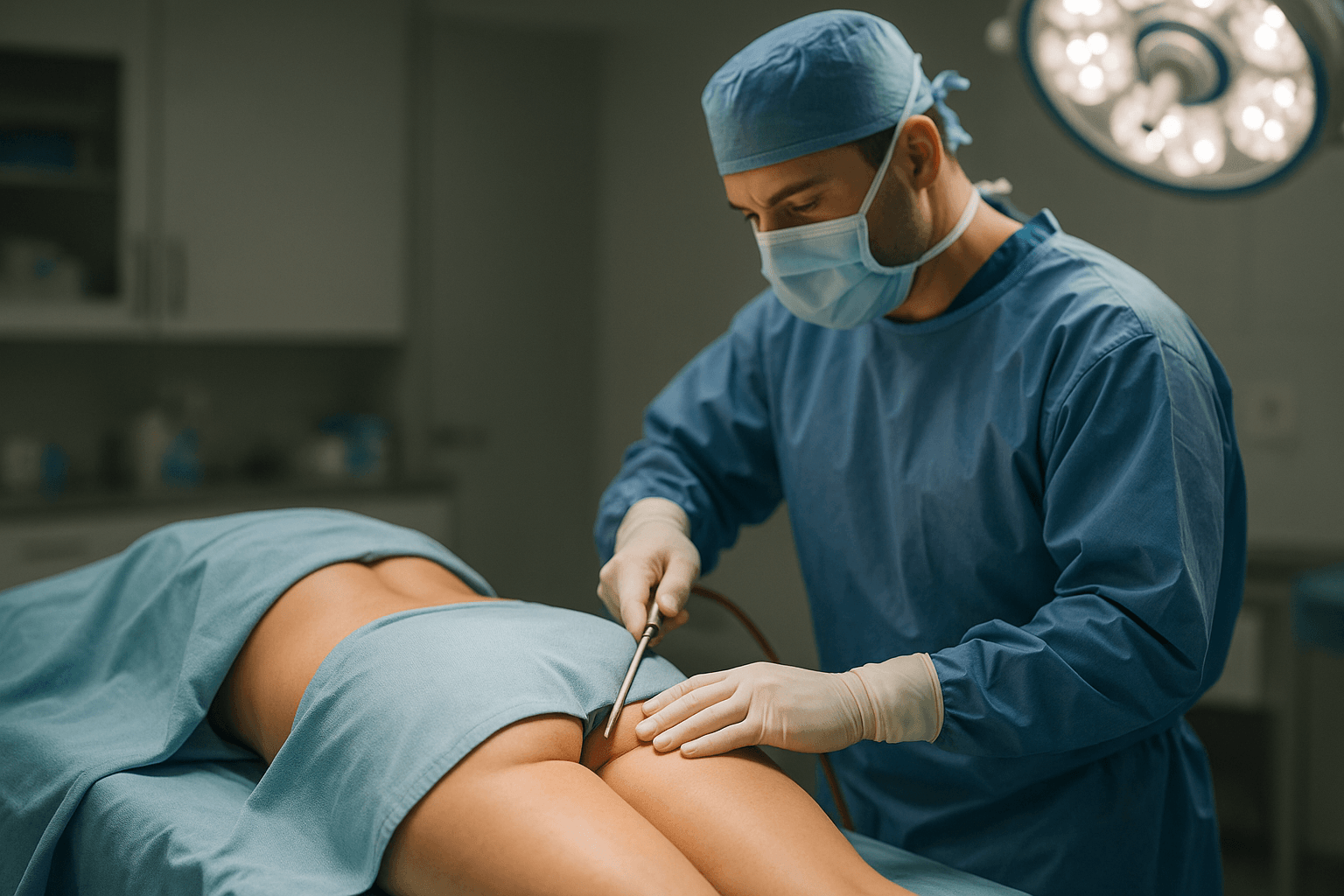
  1. Anesthesia: Otoplasty can be performed under local anesthesia with sedation or general anesthesia, depending on the complexity and patient preference.
  2. Incision Making: Incisions are typically made behind the ears to minimize visible scarring.
  3. Cartilage Shaping: The cartilage is reshaped, repositioned, or removed to achieve the desired ear shape and position.
  4. Stitching: Internal stitches secure the new shape, and the incisions are closed with sutures.
  5. Bandaging: Ears are bandaged to support the new shape and protect the area during initial healing.

Recovery and Aftercare

  • Initial Recovery: Patients can expect swelling, bruising, and discomfort for the first few days. Pain medication is prescribed to manage discomfort.
  • Bandage Removal: Bandages are typically removed within a week, and stitches are either dissolvable or removed during a follow-up visit.
  • Healing Time: Most patients return to normal activities within a week but should avoid strenuous activities and contact sports for 4-6 weeks.
  • Follow-Up Care: Regular follow-up appointments ensure proper healing and address any concerns.

Risks and Complications

As with any surgery, otoplasty carries some risks, including:

  • Infection: Proper aftercare is essential to prevent infections.
  • Scarring: While scars are typically hidden behind the ear, some scarring can occur.
  • Asymmetry: There is a risk that the ears may not be perfectly symmetrical post-surgery.
  • Changes in Sensation: Temporary numbness or changes in skin sensation around the ears.
Ear surgery or otoplasty can enhance face contouring

Benefits of Otoplasty

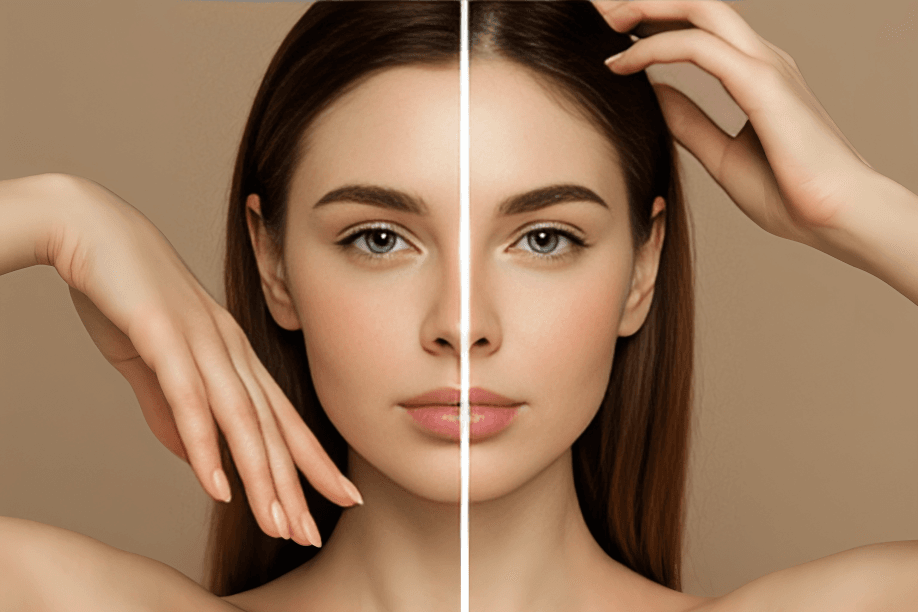
  • Enhanced Appearance: Otoplasty can significantly improve the appearance of the ears, leading to better facial harmony.
  • Boosted Confidence: Many patients report increased self-esteem and reduced self-consciousness about their ears.
  • Permanent Results: The results of otoplasty are typically permanent, provided that the ears are not subjected to trauma post-surgery.

Costs and Global Perspectives

Costs

The cost of otoplasty varies based on factors such as the surgeon’s expertise, geographic location, and the complexity of the procedure. Generally, the cost ranges from $3,000 to $5,000 in the United States. It’s important to note that cosmetic otoplasty is typically not covered by insurance.

Popular Countries for Otoplasty

  • United States: Known for advanced surgical techniques and experienced surgeons.
  • South Korea: Famous for its high-quality cosmetic surgeries at competitive prices.
  • Brazil: Offers excellent plastic surgery services with a strong focus on aesthetics.
  • Turkey: Attracts international patients with its affordable and quality cosmetic procedures.

Medications Used

Post-surgery medications typically include:

  • Pain Relievers: To manage pain and discomfort.
  • Antibiotics: To prevent infection.
  • Anti-Inflammatories: To reduce swelling and inflammation.

Surgeons’ Perspectives

Plastic surgeons emphasize the importance of choosing a qualified and experienced surgeon for otoplasty. They highlight the necessity of understanding each patient’s unique needs and aesthetic goals to achieve the best results and minimize risks.


Patient Experiences

Many patients express satisfaction with their otoplasty outcomes, citing improved self-confidence and happiness with their appearance. However, the importance of realistic expectations and understanding the potential risks is consistently highlighted.
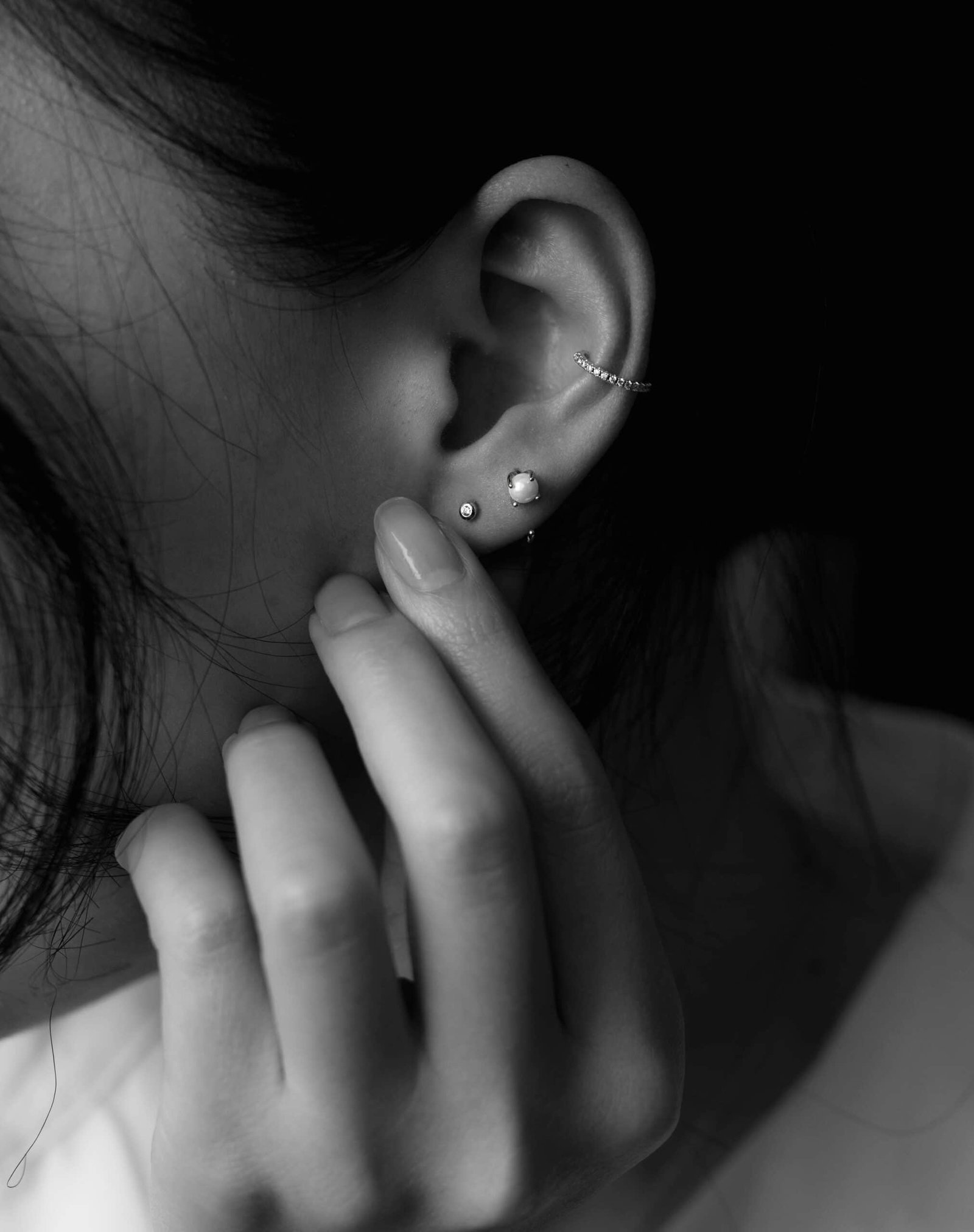
Otoplasty or ear surgery

Conclusion

Otoplasty offers individuals the opportunity to improve the appearance of their ears, leading to enhanced facial harmony and increased self-esteem. Each type of otoplasty addresses specific concerns, from protruding ears to damaged earlobes. Understanding the procedure, recovery, risks, and benefits is crucial for anyone considering this transformative surgery. Consulting with a board-certified plastic surgeon ensures the best possible results and a satisfying experience.

FAQs About Otoplasty


1. Who is an ideal candidate for otoplasty? A1: Ideal candidates include individuals with protruding or misshapen ears, those with large or asymmetrical ears, and individuals who are unhappy with previous ear surgery results. Both children and adults can be candidates, with children typically eligible starting at age five.

2. How long does the otoplasty procedure take? A2: The surgery typically takes between 1 to 3 hours, depending on the complexity and extent of the procedure.

3. What is the recovery time for otoplasty? A3: Initial recovery involves swelling and discomfort for a few days. Most patients can return to normal activities within a week, but complete recovery, including the resolution of swelling and bruising, can take several weeks.

4. Are the results of otoplasty permanent? A54Yes, the results of otoplasty are generally permanent, provided that the ears are not subjected to trauma or injury post-surgery.

5. What are the potential risks and complications of otoplasty? A5: Risks include infection, scarring, asymmetry, and changes in skin sensation. There is also a risk of the ears reverting to their pre-surgery position if proper aftercare is not followed.

6. Will there be visible scars after otoplasty? A6: Incisions are typically made behind the ears, so any scarring is well-concealed. Over time, scars usually fade and become less noticeable.

7. Can otoplasty correct asymmetrical ears? A7: Yes, otoplasty can address and correct ear asymmetry, creating a more balanced and harmonious appearance.

8. Is otoplasty covered by insurance? A8: Cosmetic otoplasty is generally not covered by insurance. However, if the surgery is performed to correct a congenital defect or deformity caused by injury, some insurance plans may cover part or all of the cost.

9. What should I expect during the otoplasty consultation? A9: During the consultation, the surgeon will assess your ears, discuss your goals and expectations, explain the procedure in detail, and answer any questions you may have. They will also provide pre- and post-operative care instructions.


Related Posts

Leave a Reply

اتوپلاستی: انواع، روش ها، و دوره بهبود

A woman wearing earrings and a necklace.

Summary

اتوپلاستی که معمولا به عنوان جراحی گوش شناخته می شود، یک عمل زیبایی است که برای تغییر شکل، موقعیت یا اندازه گوش ها طراحی شده است. اغلب افرادی که نسبت به ظاهر گوش خود آگاه هستند، چه به دلیل برجسته بودن، نامتقارن بودن یا بدشکل بودن، به دنبال آن هستند. این راهنمای مفصل به بررسی اتوپلاستی، روش‌های آن، زمان بهبودی، خطرات، مزایا و سایر اطلاعات ضروری برای بیماران بالقوه می‌پردازد.


اتوپلاستی چیست؟

اتوپلاستی یک عمل جراحی است که با هدف بهبود ظاهر گوش انجام می شود. این می تواند مسائل مختلفی مانند گوش های بیرون زده، گوش های بزرگ یا نامتقارن و بدشکلی های ناشی از آسیب یا شرایط مادرزادی را برطرف کند.

انواع اتوپلاستی

  1. سنجاق گوش (پیناپلاستی)
    • توضیحات: این روش شامل سنجاق کردن گوش های بیرون زده پشتی به سر برای رسیدن به ظاهر طبیعی تر است.
    • کاندیداهای ایده آل: افرادی با گوش هایی که به طور قابل توجهی از سر بیرون زده است.
  2. کوچک کردن گوش
    • توضیحات: این جراحی با برداشتن غضروف و پوست اضافی، اندازه گوش های بزرگ را کاهش می دهد.
    • کاندیداهای ایده آل: افراد مبتلا به ماکروتیا، وضعیتی که با گوش های بیش از حد بزرگ مشخص می شود.
  3. افزایش اندازه گوش
    • توضیحات: برای افزایش اندازه گوش ها یا بازسازی قسمت هایی از گوش با استفاده از پیوندها، اغلب از غضروف دنده استفاده می شود.
    • کاندیداهای ایده آل: افراد مبتلا به میکروتیا، یک ناهنجاری مادرزادی که در آن گوش خارجی توسعه نیافته است.
  4. ترمیم لاله گوش
    • توضیحات: این روش لاله های گوش کشیده یا پاره شده را که اغلب در اثر گوشواره های سنگین یا ضربه ایجاد می شود، رفع می کند.
    • کاندیداهای ایده آل: افرادی با لاله گوش آسیب دیده که به دنبال ظاهری طبیعی تر هستند.

رویه اتوپلاستی

آماده سازی قبل از عمل

  • مشاوره: مشاوره اولیه با یک جراح پلاستیک دارای گواهی هیئت مدیره برای بحث در مورد اهداف، انتظارات و نتایج بالقوه.
  • ارزیابی پزشکی: شرح حال کامل پزشکی و معاینه برای اطمینان از مناسب بودن برای جراحی.
  • دستورالعمل های قبل از جراحی: ممکن است به بیماران توصیه شود از مصرف برخی داروها مانند آسپرین که می تواند خونریزی را افزایش دهد، خودداری کنند.

در حین جراحی

  1. بیهوشی: بسته به پیچیدگی و ترجیح بیمار، اتوپلاستی را می توان تحت بی حسی موضعی با آرامبخش یا بیهوشی عمومی انجام داد.
  2. ایجاد برش: برش ها معمولاً در پشت گوش ایجاد می شوند تا جای زخم قابل مشاهده به حداقل برسد.
  3. شکل دهی غضروف: غضروف برای دستیابی به شکل و موقعیت گوش مورد نظر تغییر شکل، تغییر موقعیت یا برداشته می شود.
  4. دوخت: بخیه های داخلی شکل جدید را محکم می کنند و برش ها با بخیه بسته می شوند.
  5. بانداژ: گوش ها برای حمایت از شکل جدید و محافظت از ناحیه در طول درمان اولیه بانداژ می شوند.

ریکاوری و مراقبت های پس از آن

  • بهبودی اولیه: بیماران می توانند در چند روز اول انتظار تورم، کبودی و ناراحتی داشته باشند. داروهای ضد درد برای مدیریت ناراحتی تجویز می شود.
  • برداشتن باند: باندها معمولاً در عرض یک هفته برداشته می‌شوند و بخیه‌ها یا قابل حل هستند یا در طی یک ویزیت بعدی برداشته می‌شوند.
  • زمان بهبودی: اکثر بیماران در عرض یک هفته به فعالیت های عادی باز می گردند، اما باید از فعالیت های شدید و ورزش های تماسی به مدت 4-6 هفته خودداری کنند.
  • مراقبت های بعدی: قرار ملاقات های پیگیری منظم، بهبودی مناسب را تضمین می کند و هرگونه نگرانی را برطرف می کند.

خطرات و عوارض

مانند هر جراحی دیگری، اتوپلاستی دارای خطراتی است، از جمله:

  • عفونت: مراقبت های بعدی مناسب برای جلوگیری از عفونت ضروری است.
  • جای زخم: در حالی که اسکارها معمولاً در پشت گوش پنهان هستند، ممکن است مقداری جای زخم ایجاد شود.
  • عدم تقارن: این خطر وجود دارد که گوش‌ها پس از جراحی کاملاً متقارن نباشند.
  • تغییرات در حس: بی حسی موقت یا تغییر در احساس پوست اطراف گوش.

جراحی گوش یا اتوپلاستی

مزایای اتوپلاستی

  • ظاهر بهبود یافته: اتوپلاستی می تواند ظاهر گوش را به میزان قابل توجهی بهبود بخشد و منجر به هماهنگی بهتر صورت شود.
  • افزایش اعتماد به نفس: بسیاری از بیماران افزایش عزت نفس و کاهش خودآگاهی در مورد گوش های خود را گزارش می دهند.
  • نتایج دائمی: نتایج اتوپلاستی معمولاً دائمی است، مشروط بر اینکه گوش‌ها پس از جراحی دچار تروما نشوند.

هزینه ها و چشم اندازهای جهانی

هزینه ها

هزینه اتوپلاستی بر اساس عواملی مانند تخصص جراح، موقعیت جغرافیایی و پیچیدگی عمل متفاوت است. به طور کلی، هزینه از 3000 تا 5000 دلار در ایالات متحده متغیر است. توجه به این نکته ضروری است که جراحی زیبایی گوش معمولاً تحت پوشش بیمه نیست.

کشورهای محبوب برای جراحی زیبایی گوش

  • ایالات متحده: برای تکنیک های جراحی پیشرفته و جراحان مجرب شناخته شده است.
  • کره جنوبی: به دلیل جراحی های زیبایی با کیفیت بالا و قیمت های رقابتی مشهور است.
  • برزیل: خدمات جراحی پلاستیک عالی را با تمرکز قوی بر زیبایی شناسی ارائه می دهد.
  • ترکیه: با روش های زیبایی مقرون به صرفه و با کیفیت خود بیماران بین المللی را جذب می کند.

داروهای مورد استفاده

داروهای بعد از جراحی معمولاً عبارتند از:

  • مسکن ها: برای کنترل درد و ناراحتی.
  • آنتی بیوتیک ها: برای جلوگیری از عفونت.
  • ضد التهاب: برای کاهش تورم و التهاب.

دیدگاه جراحان

جراحان پلاستیک بر اهمیت انتخاب یک جراح مجرب برای جراحی زیبایی گوش تاکید دارند. آنها ضرورت درک نیازهای منحصر به فرد و اهداف زیبایی شناختی هر بیمار را برای دستیابی به بهترین نتایج و به حداقل رساندن خطرات برجسته می کنند.


تجربیات بیمار

بسیاری از بیماران با اشاره به بهبود اعتماد به نفس و خوشحالی از ظاهر خود، از نتایج جراحی زیبایی گوش ابراز رضایت می کنند. با این حال، اهمیت انتظارات واقع بینانه و درک خطرات بالقوه به طور مداوم برجسته می شود.

اتوپلاستی یا جراحی گوش

نتیجه گیری

اتوپلاستی به افراد این فرصت را می دهد تا ظاهر گوش خود را بهبود بخشند که منجر به افزایش هارمونی صورت و افزایش عزت نفس می شود. هر نوع اتوپلاستی نگرانی های خاصی از گوش های بیرون زده تا لاله گوش آسیب دیده را برطرف می کند. درک روش، بهبودی، خطرات و مزایا برای هر کسی که به این جراحی متحول کننده فکر می کند بسیار مهم است. مشاوره با یک جراح پلاستیک دارای مجوز بورد، بهترین نتایج ممکن و تجربه رضایت بخشی را تضمین می کند.

سوالات متداول در مورد اتوپلاستی


1. چه کسی کاندیدای ایده آل برای اتوپلاستی است؟ نامزدهای ایده آل شامل افرادی با گوش های بیرون زده یا بدشکل، افرادی با گوش های بزرگ یا نامتقارن، و افرادی که از نتایج جراحی قبلی گوش ناراضی هستند، هستند. هم کودکان و هم بزرگسالان می توانند نامزد شوند، با کودکانی که معمولاً از سن پنج سالگی واجد شرایط هستند.

2. عمل اتوپلاستی چقدر طول می کشد؟ جراحی معمولاً بین 1 تا 3 ساعت طول می کشد، بسته به پیچیدگی و وسعت عمل.

3. زمان نقاهت برای اتوپلاستی چقدر است؟ بهبودی اولیه شامل تورم و ناراحتی برای چند روز است. اکثر بیماران می توانند در عرض یک هفته به فعالیت های عادی بازگردند، اما بهبودی کامل، از جمله رفع تورم و کبودی، می تواند چندین هفته طول بکشد.

4. آیا نتایج جراحی زیبایی گوش دائمی است؟ بله، نتایج اتوپلاستی عموماً دائمی است، مشروط بر اینکه گوش‌ها پس از جراحی در معرض ضربه یا آسیب قرار نگیرند.

5. خطرات و عوارض بالقوه اتوپلاستی چیست؟ خطرات شامل عفونت، جای زخم، عدم تقارن و تغییر در احساس پوست است. همچنین در صورت عدم رعایت مراقبت های پس از عمل، خطر بازگشت گوش ها به موقعیت قبل از جراحی وجود دارد.

6. آیا بعد از جراحی اتوپلاستی جای زخم قابل مشاهده خواهد بود؟ برش ها معمولاً در پشت گوش ایجاد می شوند، بنابراین هر جای زخم به خوبی پنهان می شود. با گذشت زمان، اسکارها معمولا محو می شوند و کمتر دیده می شوند.

7. آیا اتوپلاستی می تواند گوش های نامتقارن را اصلاح کند؟ بله، اتوپلاستی می‌تواند عدم تقارن گوش را برطرف کرده و اصلاح کند و ظاهری متعادل‌تر و هماهنگ‌تر ایجاد کند.

8. آیا اتوپلاستی تحت پوشش بیمه است؟ اتوپلاستی زیبایی معمولاً تحت پوشش بیمه نیست. با این حال، اگر جراحی برای اصلاح نقص مادرزادی یا بدشکلی ناشی از آسیب انجام شود، برخی از طرح های بیمه ممکن است بخشی یا تمام هزینه را پوشش دهند.

9. در طول مشاوره اتوپلاستی چه انتظاری باید داشته باشم؟ در طول مشاوره، جراح گوش های شما را ارزیابی می کند، اهداف و انتظارات شما را مورد بحث قرار می دهد، روش را با جزئیات توضیح می دهد و به هر سوالی که ممکن است داشته باشید پاسخ می دهد. آنها همچنین دستورالعمل های مراقبت قبل و بعد از عمل را ارائه خواهند داد.

Related Posts

Do you need to talk? Let us help you.

That's why our support team is here — to listen, guide, and help you with whatever you need.

Contact Us