Tai Chi: Balancing Body and Mind Through Ancient Practice

Tai Chi

Summary

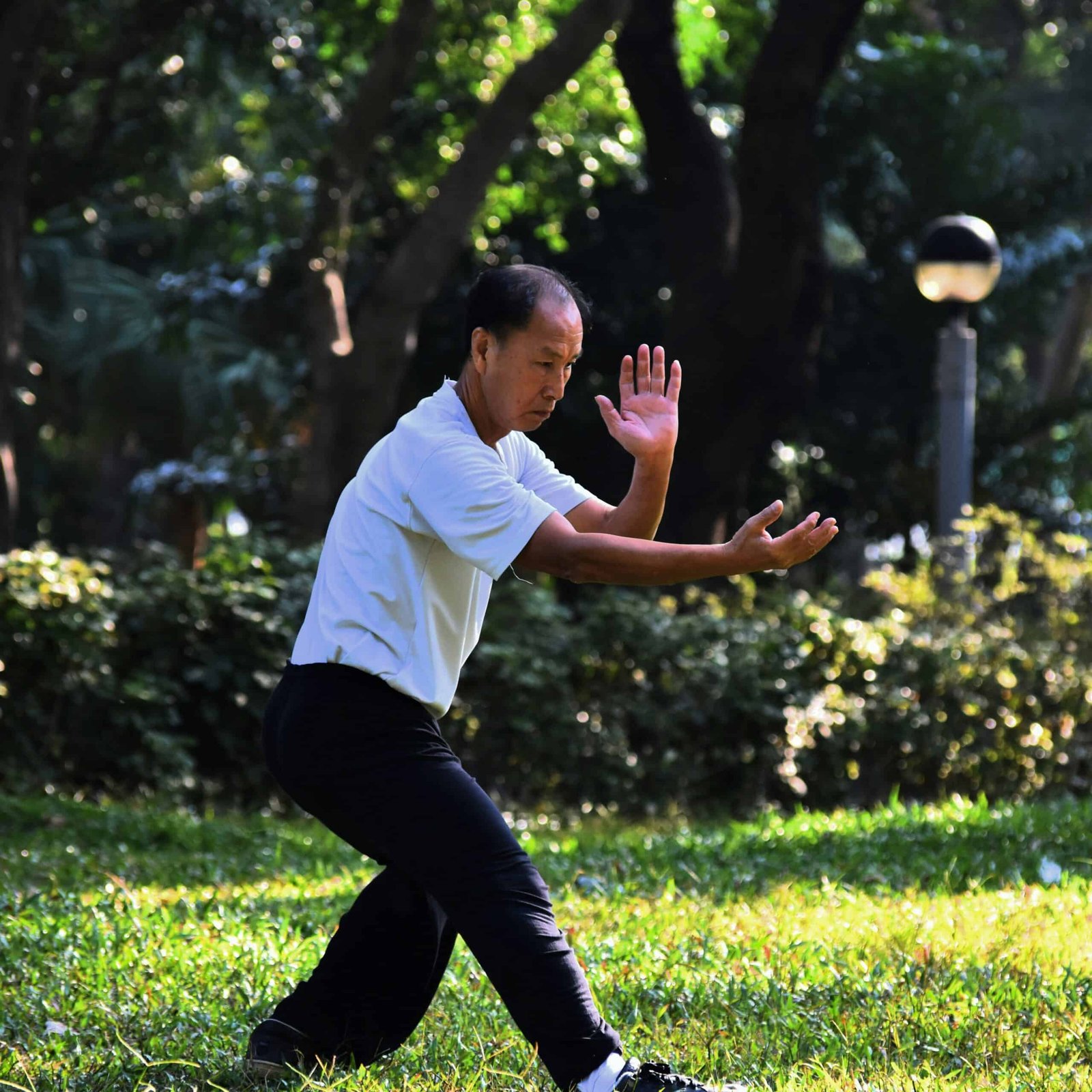
Tai Chi, also known as Tai Chi Chuan, is a Chinese martial art renowned for its health benefits. Combining slow, flowing movements with deep breathing and a meditative focus, Tai Chi is often described as “meditation in motion.” This article explores the history, types, steps to mastery, advantages, and personal experiences related to Tai Chi.


A Brief History of Tai Chi

Tai Chi originated in China during the 12th century as a martial art. It was developed by blending Chinese martial arts with Taoist philosophical concepts, emphasizing the balance of opposing forces (Yin and Yang). Over time, Tai Chi evolved into various styles, each with unique characteristics, and became popular worldwide for its health benefits.


Types of Tai Chi

  1. Yang Style
    • Description: Characterized by slow, expansive movements and large, open postures.
    • Benefits: Enhances balance, coordination, and relaxation.
  2. Chen Style
    • Description: Combines slow movements with bursts of fast, powerful ones.
    • Benefits: Builds strength, flexibility, and cardiovascular health.
  3. Wu Style
    • Description: Known for its smaller, more compact movements.
    • Benefits: Improves balance and joint mobility.
  4. Sun Style
    • Description: Incorporates elements of Tai Chi, Qigong, and martial arts.
    • Benefits: Promotes relaxation and overall well-being.

Steps to Master Tai Chi

  1. Learn the Basics
    • Start with simple movements and basic forms to build a strong foundation.
  2. Daily Practice
    • Regular practice helps internalize the movements and improve balance.
  3. Instructor Guidance
    • Learn from a qualified instructor to understand the nuances of the practice.
  4. Focus on Flow
    • Concentrate on the smooth, continuous flow of movements to enhance the meditative aspect.
  5. Meditative Mindset
    • Cultivate a calm, meditative state during practice to fully benefit from Tai Chi.

Advantages of Tai Chi

  • Physical Health: Enhances balance, coordination, flexibility, and muscle strength.
  • Mental Health: Promotes relaxation, reduces stress, and improves mental clarity.
  • Medical Conditions: Beneficial for arthritis, osteoporosis, heart disease, and hypertension.

Comparing Yoga and Tai Chi

Similarities

  • Mind-Body Connection: Both practices emphasize the integration of mind and body.
  • Stress Reduction: Proven to reduce stress and improve overall mental health.
  • Flexibility and Balance: Enhance physical flexibility, balance, and strength.
  • Accessibility: Suitable for people of all ages and fitness levels.

Differences

  • Origins and Philosophy: Yoga originated in India and incorporates spiritual and ethical principles, while Tai Chi is a Chinese martial art focusing on harmony and balance.
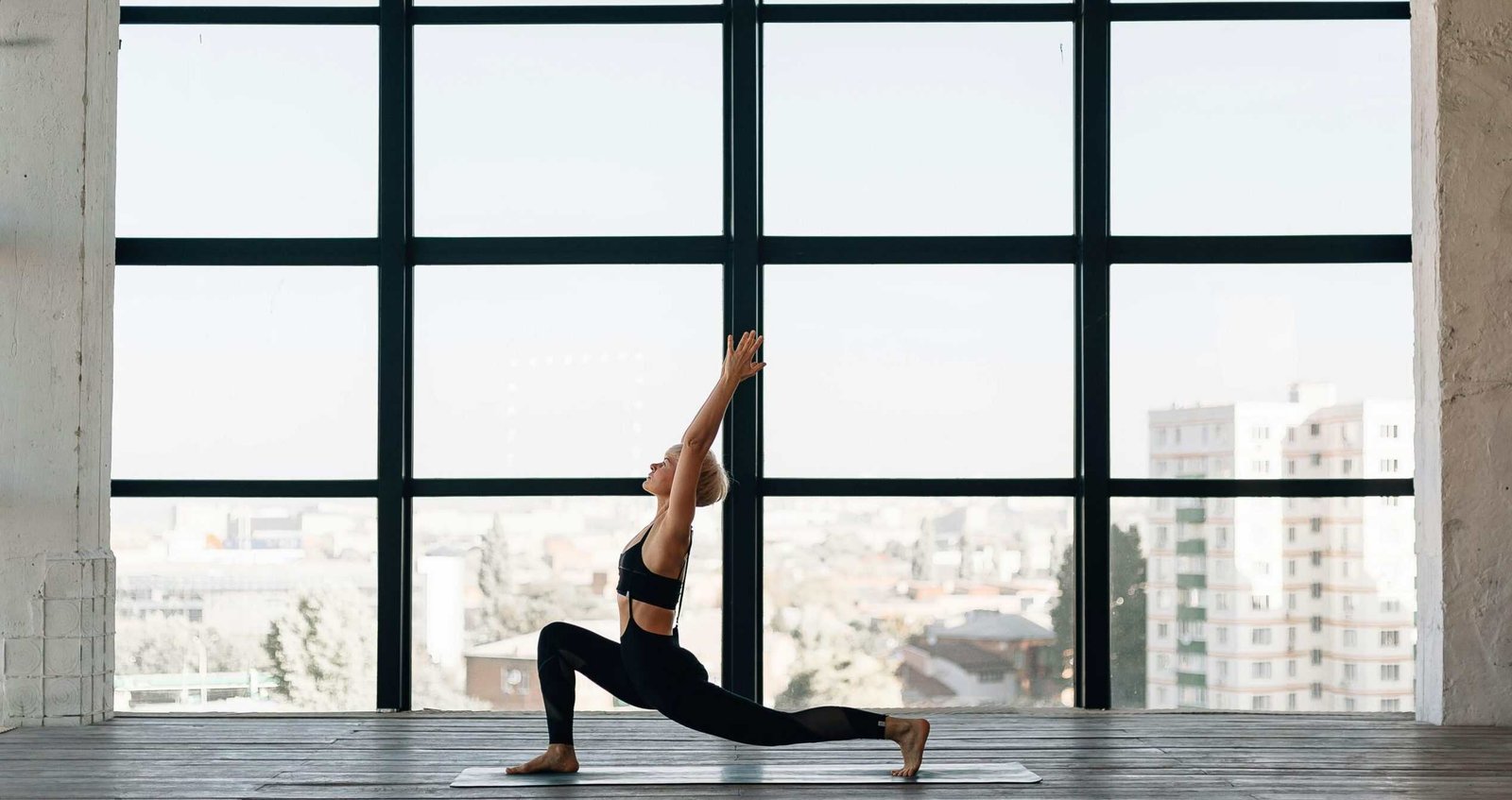
  • Movements: Yoga involves holding various postures, while Tai Chi consists of continuous, flowing movements.
  • Breathing Techniques: Yoga includes specific breath control techniques (pranayama), while Tai Chi integrates deep, natural breathing with movement.

Personal Experiences and Testimonials

Practitioners of Tai Chi often report significant improvements in physical and mental health. Testimonials frequently mention better balance, reduced stress, and increased energy levels, contributing to a higher quality of life.


Core Countries and Places for  Tai Chi

Tai Chi

  • China: The origin of Tai Chi, with many masters and schools teaching traditional styles.
  • Taiwan: Offers excellent Tai Chi training and practice in traditional settings.
  • New York, USA: Hosts numerous Tai Chi classes and workshops with experienced instructors.

Are Yoga and Tai Chi Considered Alternative Medicine?

Both Yoga and Tai Chi are recognized as complementary and alternative medicine (CAM) practices. They are widely used alongside conventional medical treatments to enhance physical and mental well-being, manage chronic diseases, and improve quality of life.


FAQs About Tai Chi

Q1: Can Tai Chi be practiced by people of all ages?

A1: Yes, Tai Chi is suitable for all ages and fitness levels.

Q2: Do I need special equipment to practice Tai Chi?

A2: No special equipment is needed, just comfortable clothing and a quiet space.

Q3: How often should I practice Tai Chi?

A3: Daily practice is ideal, but even a few times a week can provide benefits.

Q4: Can Tai Chi help with chronic pain?

A4: Yes, Tai Chi can help reduce chronic pain, especially in conditions like arthritis.

Q5: Is Tai Chi difficult to learn?

A5: Tai Chi is easy to start, but mastering it requires regular practice and dedication.


Both Yoga and Tai Chi offer profound benefits for the mind and body, making them valuable practices for enhancing overall well-being. Whether you seek physical fitness, stress relief, or a spiritual journey, these ancient disciplines provide holistic approaches to health and wellness. By understanding their differences, similarities, and how to master them, you can choose the practice that best suits your needs and embark on a path to a healthier, more balanced life.

Related Posts

Leave a Reply

تای چی: تعادل بدن و ذهن از طریق تمرین باستانی

Summary

تای چی که به نام تای چی چوان نیز شناخته می شود، یک هنر رزمی چینی است که به دلیل فواید سلامتی اش مشهور است. تای چی با ترکیب حرکات آهسته و روان با تنفس عمیق و تمرکز مراقبه، اغلب به عنوان “مدیتیشن در حرکت” توصیف می شود. این مقاله تاریخچه، انواع، مراحل تسلط، مزایا و تجربیات شخصی مربوط به تای چی را بررسی می کند.


تاریخچه مختصری از تای چی

تای چی در قرن دوازدهم به عنوان یک هنر رزمی در چین به وجود آمد. این هنر با ترکیب هنرهای رزمی چینی با مفاهیم فلسفی تائوئیست، با تأکید بر تعادل نیروهای مخالف (یین و یانگ) توسعه یافت. با گذشت زمان، تای چی به سبک های مختلفی تبدیل شد که هر کدام ویژگی های منحصر به فردی داشتند و به دلیل مزایای سلامتی خود در سراسر جهان محبوب شدند.


انواع تای چی

  1. سبک یانگ
    • توضیحات: با حرکات آهسته و گسترده و حالت های بزرگ و باز مشخص می شود.
    • فواید: تعادل، هماهنگی و آرامش را تقویت می کند.
  2. سبک چن
    • توضیحات: حرکات آهسته را با حرکات سریع و قدرتمند ترکیب می کند.
    • فواید: ایجاد قدرت، انعطاف پذیری و سلامت قلب و عروق.
  3. سبک وو
    • توضیحات: معروف به حرکات کوچکتر و فشرده تر.
    • مزایا: تعادل و تحرک مفاصل را بهبود می بخشد.
  4. استایل خورشید
    • توضیحات: شامل عناصر تای چی، چیگونگ و هنرهای رزمی است.
    • مزایا: باعث آرامش و رفاه کلی می شود.

مراحل رسیدن به استادی تای چی

  1. اصول را یاد بگیرید
    • با حرکات ساده و فرم های اولیه شروع کنید تا پایه ای قوی بسازید.
  2. تمرین روزانه
    • تمرین منظم به درونی سازی حرکات و بهبود تعادل کمک می کند.
  3. راهنمایی مربی
    • از یک مربی واجد شرایط برای درک تفاوت های ظریف تمرین بیاموزید.
  4. روی جریان تمرکز کنید
    • روی جریان روان و مداوم حرکات تمرکز کنید تا جنبه مدیتیشن را تقویت کنید.
  5. ذهنیت مراقبه
    • در حین تمرین حالتی آرام و مراقبه ایجاد کنید تا به طور کامل از تای چی بهره مند شوید.

مزایای تای چی

  • سلامت جسمانی: تعادل، هماهنگی، انعطاف پذیری و قدرت عضلانی را افزایش می دهد.
  • سلامت روان: باعث آرامش، کاهش استرس و بهبود وضوح ذهنی می شود.
  • شرایط پزشکی: برای آرتریت، پوکی استخوان، بیماری قلبی و فشار خون مفید است.

مقایسه یوگا و تای چی

شباهت ها

  • ارتباط ذهن و بدن: هر دو روش بر ادغام ذهن و بدن تأکید دارند.
  • کاهش استرس: ثابت شده است که استرس را کاهش می دهد و سلامت روان کلی را بهبود می بخشد.
  • انعطاف پذیری و تعادل: انعطاف بدنی، تعادل و قدرت را افزایش دهید.
  • دسترسی: مناسب برای افراد در تمام سنین و سطوح تناسب اندام.

تفاوت ها

  • ریشه ها و فلسفه: یوگا در هند سرچشمه گرفته است و اصول معنوی و اخلاقی را در خود جای داده است، در حالی که تای چی یک هنر رزمی چینی است که بر هماهنگی و تعادل تمرکز دارد.
  • حرکات: یوگا شامل حفظ حالت های مختلف است، در حالی که تای چی شامل حرکات مداوم و روان است.
  • تکنیک های تنفس: یوگا شامل تکنیک های خاص کنترل نفس (پرانایاما) است، در حالی که تای چی تنفس عمیق و طبیعی را با حرکت ادغام می کند.

تجربیات شخصی و نظرات

تمرین‌کنندگان تای چی اغلب بهبودهای قابل توجهی را در سلامت جسمی و روانی گزارش می‌کنند. توصیفات اغلب به تعادل بهتر، کاهش استرس و افزایش سطح انرژی اشاره می کنند که به کیفیت زندگی بالاتر کمک می کند.


کشورهای اصلی و مکان های تای چی

تای چی

  • چین: خاستگاه تای چی، با استادان و مدارس بسیاری که به آموزش سبک های سنتی می پردازند.
  • تایوان: آموزش عالی تای چی و تمرین در محیط های سنتی را ارائه می دهد.
  • نیویورک، ایالات متحده آمریکا: میزبان کلاس ها و کارگاه های آموزشی متعدد تای چی با مربیان مجرب است.

آیا یوگا و تای چی به عنوان داروهای جایگزین در نظر گرفته می شوند؟

هر دو یوگا و تای چی به عنوان روش های طب مکمل و جایگزین (CAM) شناخته می شوند. آنها به طور گسترده در کنار درمان های پزشکی معمولی برای بهبود سلامت جسمی و روانی، مدیریت بیماری های مزمن و بهبود کیفیت زندگی استفاده می شوند.


سوالات متداول درباره تای چی

1: آیا می توان تای چی را برای افراد در هر سنی تمرین کرد؟

بله، تای چی برای تمام سنین و سطوح تناسب اندام مناسب است.

2: آیا برای تمرین تای چی به تجهیزات خاصی نیاز دارم؟

به تجهیزات خاصی نیاز نیست، فقط لباس راحت و فضایی آرام.

3: هر چند وقت یک بار باید تای چی تمرین کنم؟

تمرین روزانه ایده آل است، اما حتی چند بار در هفته می تواند مزایایی را به همراه داشته باشد.

4: آیا تای چی می تواند به درد مزمن کمک کند؟

بله، تای چی می تواند به کاهش درد مزمن کمک کند، به خصوص در شرایطی مانند آرتریت.

5: آیا یادگیری تای چی دشوار است؟

شروع تای چی آسان است، اما تسلط بر آن مستلزم تمرین و فداکاری منظم است.


یوگا و تای چی هر دو فواید عمیقی برای ذهن و بدن دارند و آنها را به تمرین‌های ارزشمندی برای افزایش رفاه کلی تبدیل می‌کند. چه به دنبال تناسب اندام باشید، چه به دنبال کاهش استرس یا یک سفر معنوی باشید، این رشته های باستانی رویکردهای کل نگر برای سلامت و تندرستی ارائه می دهند. با درک تفاوت‌ها، شباهت‌ها و نحوه تسلط بر آن‌ها، می‌توانید تمرینی را انتخاب کنید که به بهترین وجه با نیازهای شما مطابقت دارد و مسیری را برای زندگی سالم‌تر و متعادل‌تر آغاز کنید.

Related Posts

Do you need to talk? Let us help you.

That's why our support team is here — to listen, guide, and help you with whatever you need.

Contact Us