خلاصه
- بینی گوشتی (Bulbous Nose) دقیقاً چیست؟
- آناتومی نوک بینی گوشتی
- چرا بعضی بینیها در نوک، گرد یا پهن دیده میشوند؟
- چه زمانی جراحی بینی گوشتی توصیه میشود؟
- تکنیکهای مدرن رینوپلاستی برای بینی گوشتی
- تفاوت رینوپلاستی بینی گوشتی در مردان و زنان
- رینوپلاستی بینی گوشتی در افراد با پوست ضخیم: چالشها و راهکارها
- اشتباهات رایج در رینوپلاستی بینی گوشتی (و راههای پیشگیری)
- چرا بعضی بینیهای گوشتی بعد از جراحی بدتر به نظر میرسند؟
- ریسکها و انتظارات واقعبینانه
- انتخاب جراح مناسب؛ مهمترین تصمیم
- جمعبندی نهایی
بینی با نوک گوشتی یا اصطلاحاً Bulbous Nose یکی از شایعترین دلایلی است که افراد به فکر جراحی زیبایی بینی میافتند؛ و در عین حال، یکی از چالشبرانگیزترین انواع رینوپلاستی برای جراحان به شمار میرود.
برخلاف قوز بینی یا انحراف تیغه، اصلاح نوک گوشتی بینی به معنای «تراشیدن استخوان» نیست، بلکه نیازمند درک عمیق آناتومی نوک بینی، رفتار پوست، و حفظ حمایت ساختاری در بلندمدت است.
رینوپلاستی مدرن دیگر بهدنبال کوچککردن افراطی بینی نیست. امروزه، هدف اصلی در جراحی بینی گوشتی، ایجاد تعادل، ظرافت و پایداری است؛ بهگونهای که نتیجه نهایی نهتنها در ماههای اول، بلکه سالها بعد نیز طبیعی و هماهنگ باقی بماند.
در این مقاله، بهصورت علمی اما قابلفهم بررسی میکنیم که:
-
بینی گوشتی دقیقاً چیست
-
چرا ایجاد میشود
-
چه زمانی جراحی توصیه میشود
-
و جراحان حرفهای چگونه نوک بینی را بدون آسیب به ساختار، اصلاح میکنند
بینی گوشتی (Bulbous Nose) دقیقاً چیست؟
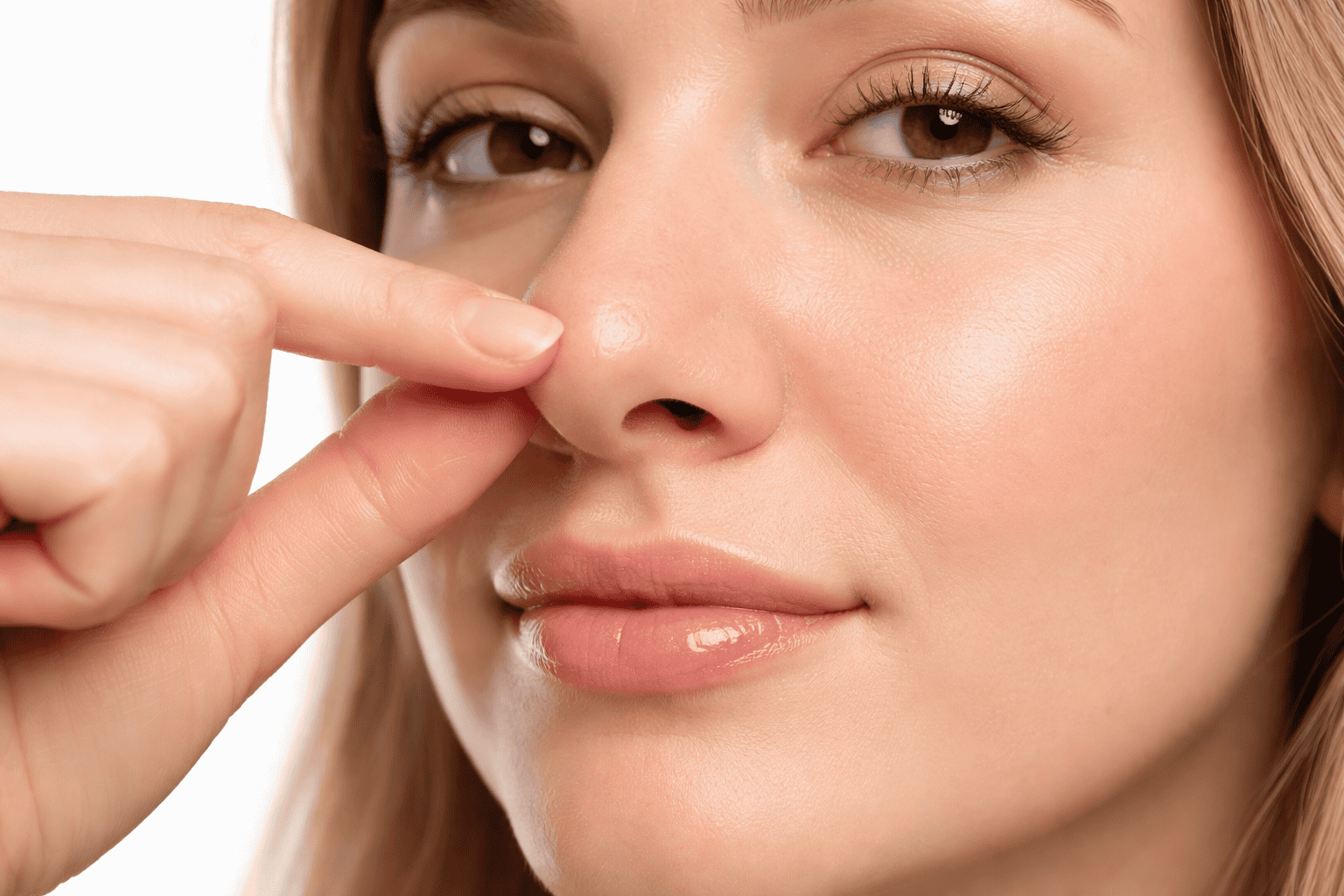
بینی گوشتی به بینیای گفته میشود که نوک آن گرد، پهن یا فاقد تعریف واضح است. این حالت معمولاً در یکسوم پایینی بینی دیده میشود و ممکن است در حالت عادی یا هنگام خندیدن بیشتر به چشم بیاید.
ویژگیهای شایع بینی گوشتی عبارتاند از:
-
نوک بینی گرد یا توپمانند
-
مرز نامشخص بین نوک بینی و پرهها
-
پهن دیدهشدن نوک بینی در نمای روبهرو
-
پوست ضخیم یا چرب در ناحیه نوک بینی
نکته مهم این است که بینی گوشتی الزاماً بینی بزرگی نیست. بسیاری از افراد پل بینی متناسب یا حتی باریکی دارند، اما احساس میکنند نوک بینی سنگین، پخش یا بیفرم به نظر میرسد.
آناتومی نوک بینی گوشتی
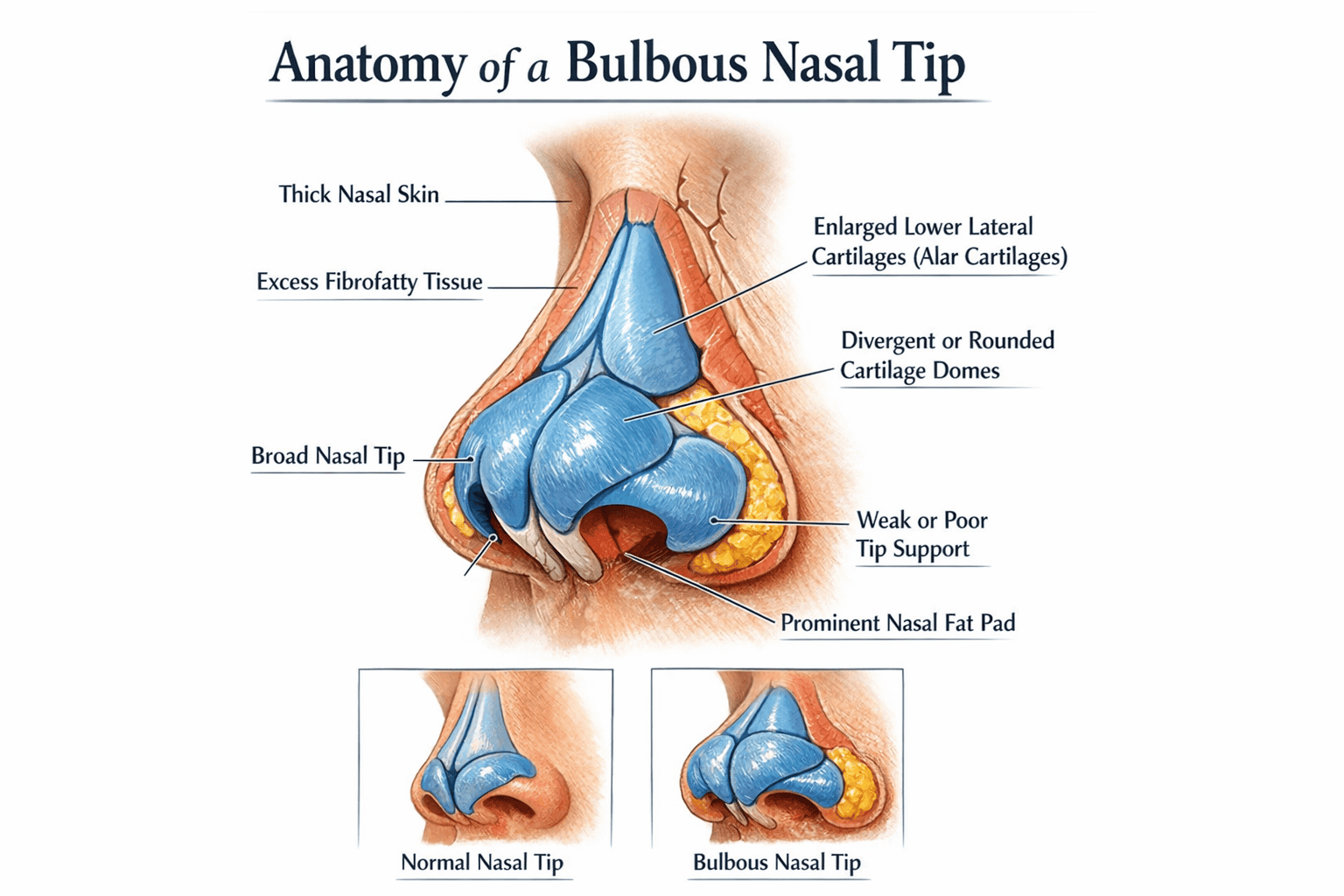
نوک بینی یکی از پیچیدهترین بخشهای آناتومی صورت است. فرم نهایی آن حاصل تعامل چند عامل کلیدی است:
-
غضروفهای تحتانی (Lower Lateral Cartilages)
-
ضخامت و کیفیت پوست
-
حجم بافت نرم زیر پوست
-
میزان حمایت ساختاری از تیغه بینی
-
فعالیت عضلات صورت
در بینیهای گوشتی، معمولاً با این موارد مواجه هستیم:
-
غضروفهای نوک بینی پهن، محدب یا با فاصله زیاد
-
بافت نرم زیاد بین پوست و غضروف
-
پوست ضخیم که مانع دیدهشدن ظرافتها میشود
-
حمایت ضعیف نوک بینی که باعث پخششدن فرم میگردد
به همین دلیل است که برداشتن بیشازحد غضروف در بینی گوشتی تقریباً همیشه منجر به نتیجه ناموفق میشود؛ زیرا بهجای ظریفسازی، ساختار بینی تضعیف میگردد.
چرا بعضی بینیها در نوک، گرد یا پهن دیده میشوند؟
۱. عوامل ژنتیکی و قومیتی
فرم بینی و ضخامت پوست تا حد زیادی ژنتیکی است. بینی گوشتی در برخی جمعیتها شایعتر است و این موضوع کاملاً طبیعی محسوب میشود.
آناتومی بینی در قومیتهای مختلف تفاوتهای قابلتوجهی دارد و به همین دلیل، جراحی بینی باید شخصیسازیشده انجام شود. اگر مایل هستید در اینباره بیشتر بدانید، پیشنهاد میشود این مقاله مرتبط را مطالعه کنید:
۲. پوست ضخیم نوک بینی
پوست ضخیم مانند یک لایه پوشاننده عمل میکند. حتی اگر غضروفها بهخوبی فرم داده شوند، پوست ضخیم میتواند مانع دیدهشدن جزئیات ظریف شود.
۳. ضعف یا فاصله زیاد غضروفهای نوک بینی
زمانی که غضروفهای نوک بینی قدرت یا همپوشانی کافی ندارند، نوک بینی پهن و تخت به نظر میرسد.
۴. فعالیت عضلات صورت
در برخی افراد، نوک بینی در حالت عادی طبیعی است، اما هنگام خندیدن به دلیل فعالیت عضلات، پهنتر یا بالاتر دیده میشود. این حالت را «بینی گوشتی دینامیک» مینامند.
چه زمانی جراحی بینی گوشتی توصیه میشود؟
رینوپلاستی بینی گوشتی میتواند گزینه مناسبی باشد اگر:
-
نوک بینی فاقد تعریف است و تعادل صورت را بر هم میزند
-
نوک بینی نسبت به پل بینی بیشازحد پهن به نظر میرسد
-
این فرم باعث نارضایتی فرد از ظاهر خود شده است
-
روشهای غیرجراحی قادر به اصلاح ساختار نیستند
نکته کلیدی این است که جراحی نباید ترندمحور باشد. هدف از رینوپلاستی، هماهنگی اجزای صورت است، نه تقلید از فرمهای اغراقشده.
تکنیکهای مدرن رینوپلاستی برای بینی گوشتی
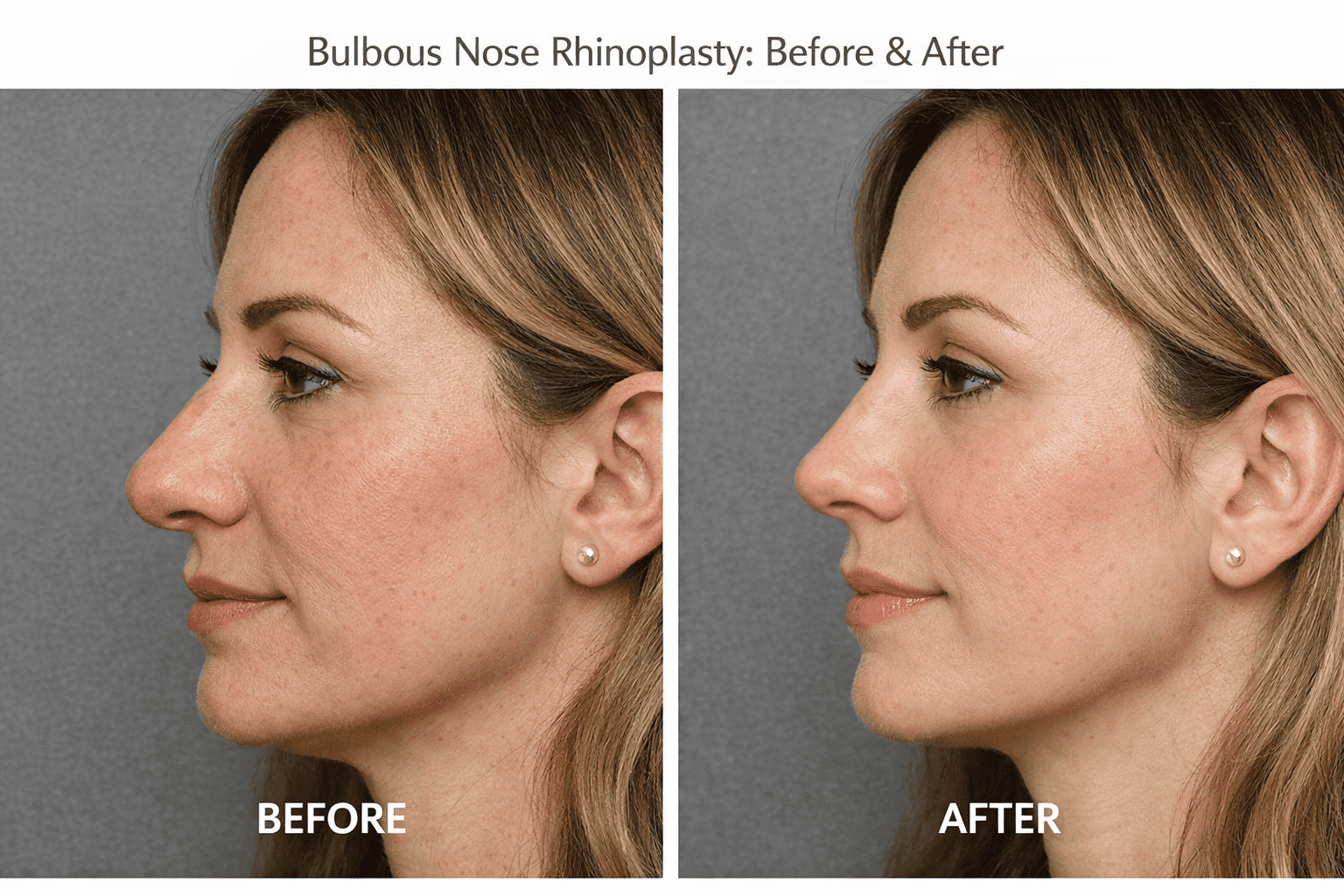
رینوپلاستی مدرن بر پایهی جراحی ساختاری (Structural Rhinoplasty) انجام میشود؛ یعنی بهجای حذف افراطی بافتها، تمرکز بر حفظ و تقویت ساختار است.
۱. تکنیکهای بخیهگذاری غضروفی
جراح با استفاده از بخیههای دقیق، غضروفها را بهگونهای فرم میدهد که نوک بینی باریکتر و تعریفدارتر شود، بدون آنکه استحکام آن از بین برود.
۲. استفاده از گرافتهای غضروفی
در بسیاری از بینیهای گوشتی، استفاده از گرافت (معمولاً از تیغه بینی) ضروری است تا:
-
نوک بینی پروجکشن مناسب پیدا کند
-
حمایت ساختاری تقویت شود
-
از افتادگی یا پخششدن در آینده جلوگیری گردد
۳. کنترل دقیق چرخش نوک بینی
بالا بردن بیشازحد نوک بینی میتواند ظاهر غیرطبیعی ایجاد کند. در تکنیکهای مدرن، چرخش نوک بینی با دقت و تعادل انجام میشود.
۴. احترام به پوست (نه نازککردن آن)
برخلاف باورهای نادرست، پوست بینی هرگز نازک نمیشود. جراح حرفهای ساختار زیرین را اصلاح میکند و رفتار پوست در طول زمان را در نظر میگیرد.
۵. رویکرد باز در جراحی
در بسیاری از بینیهای گوشتی، رینوپلاستی باز امکان دید بهتر، دقت بالاتر و کنترل ساختاری مناسبتری را فراهم میکند.
تفاوت رینوپلاستی بینی گوشتی در مردان و زنان
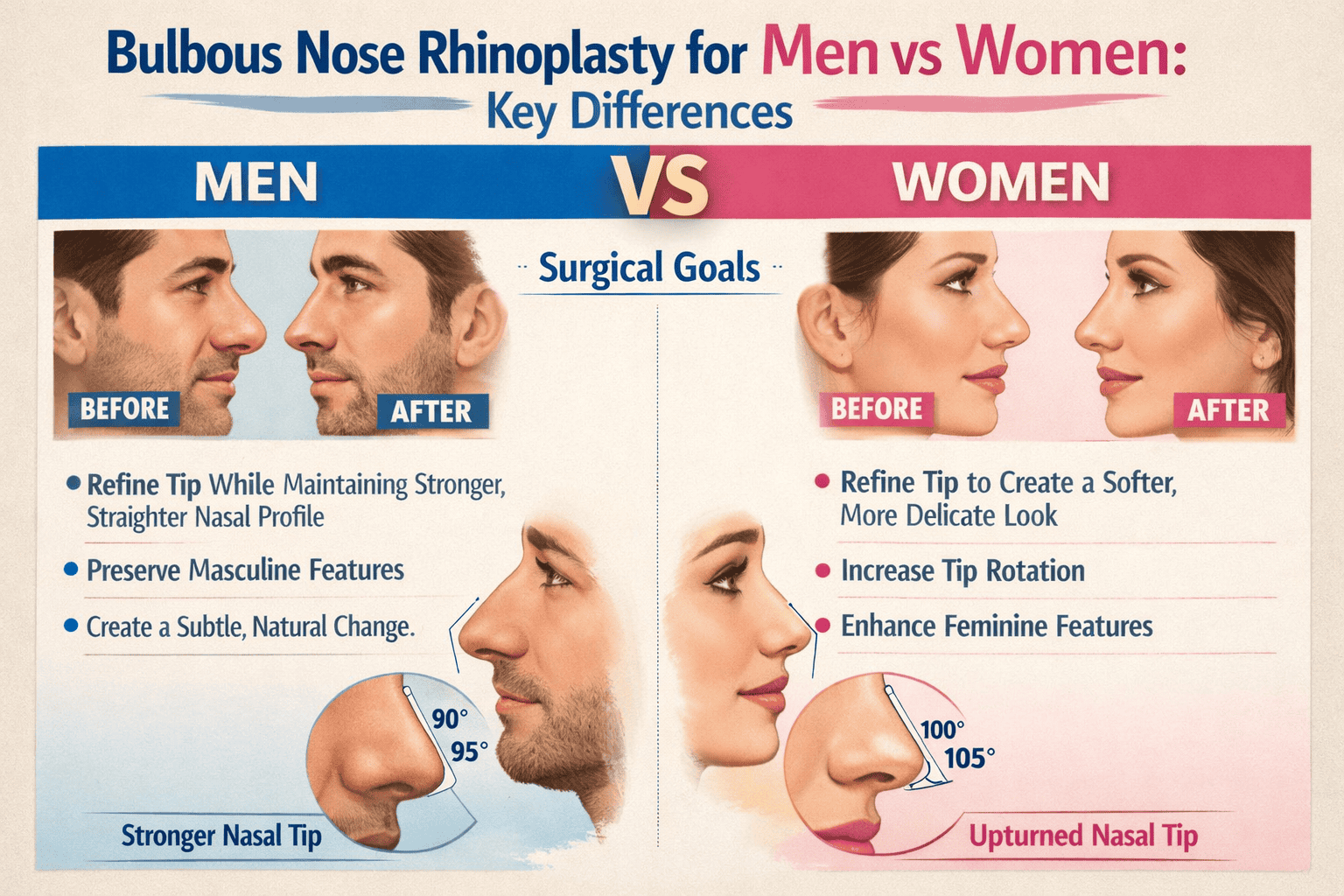
اگرچه ساختار پایهی بینی گوشتی در مردان و زنان مشابه است، اما اهداف زیباییشناختی و نحوهی اجرا تفاوتهای مهمی دارد.
در زنان
-
امکان ریفاینمنت ظریفتر نوک بینی وجود دارد
-
کانتورهای نرمتر و چرخش ملایم نوک بینی مطلوبتر است
-
افراط در باریکسازی میتواند نتیجهای مصنوعی ایجاد کند
در مردان
-
حفظ قدرت و استحکام نوک بینی اولویت دارد
-
باریککردن بیشازحد میتواند بینی را زنانه جلوه دهد
-
زوایا معمولاً صافتر و پروجکشن کنترلشدهتر انتخاب میشود
جراح باتجربه، تکنیکها را بر اساس جنسیت، تناسبات صورت و انتظارات فرهنگی تنظیم میکند.
رینوپلاستی بینی گوشتی در افراد با پوست ضخیم: چالشها و راهکارها
پوست ضخیم یکی از مهمترین چالشها در اصلاح نوک بینی است.
چالشها
-
دیدهنشدن سریع ظرافتها
-
تورم طولانیتر پس از جراحی
-
احتمال بیشتر تشکیل اسکار زیرپوستی
راهکارهای علمی
-
استفاده از گرافتهای ساختاری قوی
-
پرهیز از کوچکسازی افراطی
-
صبر و آگاهی بیمار (نتیجه نهایی ممکن است ۱۲ تا ۱۸ ماه زمان ببرد)
جراحانی که تغییرات اغراقشده در بینیهای با پوست ضخیم وعده میدهند، معمولاً در بلندمدت باعث نارضایتی میشوند.
اشتباهات رایج در رینوپلاستی بینی گوشتی (و راههای پیشگیری)
بسیاری از نتایج ناموفق قابل پیشبینیاند و از خطاهای تکراری ناشی میشوند:
-
برداشتن بیشازحد غضروف نوک بینی
-
عدم استفاده از گرافتهای حمایتی
-
بالا بردن افراطی نوک بینی
-
نادیدهگرفتن جمعشدگی اسکار در طول زمان
-
تمرکز بر ظاهر کوتاهمدت بهجای پایداری بلندمدت
رینوپلاستی مدرن با حفظ ساختار و تقویت حمایت از این خطاها جلوگیری میکند.
چرا بعضی بینیهای گوشتی بعد از جراحی بدتر به نظر میرسند؟
گاهی بیمار بلافاصله پس از عمل راضی است، اما ماهها یا سالها بعد نتیجه نامطلوب میشود. دلایل شایع عبارتاند از:
-
از دست رفتن حمایت نوک بینی
-
جمعشدگی تدریجی اسکار
-
کوتاهشدن بیشازحد طول بینی
-
برنامهریزی نامناسب برای پوست ضخیم
این موضوع نشان میدهد که تفکر بلندمدت در جراحی بینی گوشتی حیاتی است.
ریسکها و انتظارات واقعبینانه
انتظارات منطقی
-
بهبود تدریجی فرم نوک بینی
-
زمان بهبودی طولانیتر در بینیهای گوشتی
-
تغییرات طبیعی و هماهنگ، نه نمای اغراقشده
ریسکهای احتمالی
-
تورم طولانیمدت
-
عدم تقارن خفیف
-
کماصلاحی یا بیشاصلاحی
-
نیاز نادر به جراحی ترمیمی
این ریسکها با انتخاب جراح مناسب به حداقل میرسند.
انتخاب جراح مناسب؛ مهمترین تصمیم
نوک بینی پیچیدهترین بخش رینوپلاستی است. انتخاب جراح از انتخاب تکنیک مهمتر است.
هنگام انتخاب جراح، به این موارد توجه کنید:
-
تجربهی مستند در بینیهای گوشتی و پوست ضخیم
-
رویکرد ساختاری، نه کاهشی
-
نمونه نتایج با پیگیری بلندمدت
برای آشنایی با جراحان تأییدشده و باتجربه در اصلاح نوک بینی، میتوانید از دایرکتوری تخصصی طبیبو استفاده کنید:
👉 مشاهده جراحان رینوپلاستی در طبیبو
جمعبندی نهایی
رینوپلاستی بینی گوشتی به معنای کوچککردن نیست؛ بلکه ایجاد تعادل، تعریف ظریف و پایداری بلندمدت است. وقتی آناتومی، ضخامت پوست و هارمونی صورت بهدرستی در نظر گرفته شوند، نتیجهای طبیعی و ماندگار حاصل میشود.
آگاهی بیمار و انتخاب جراح متخصص، کلید دستیابی به نتیجهای است که با گذر زمان نیز زیبا باقی بماند.
سؤالات متداول
۱. بینی گوشتی چیست؟
بینی گوشتی به بینیای گفته میشود که نوک آن گرد، پهن یا فاقد تعریف واضح است و معمولاً پوست ضخیم و غضروفهای نوک بینی پهنتری دارد.
۲. علت ایجاد بینی گوشتی چیست؟
ژنتیک، ضخامت پوست، ضعف یا فاصله زیاد غضروفهای نوک بینی و گاهی فعالیت عضلات صورت از دلایل اصلی هستند.
۳. آیا بینی گوشتی بدون جراحی قابل اصلاح است؟
روشهای غیرجراحی فقط در موارد محدود پوشانندگی موقت ایجاد میکنند و ساختار را اصلاح نمیکنند. جراحی تنها راهحل قطعی است.
۴. رینوپلاستی بینی گوشتی چه تفاوتی با بینی استخوانی دارد؟
در بینی گوشتی تمرکز بر تقویت ساختار و فرمدهی غضروفهاست، نه تراش استخوان.
۵. آیا نتیجه در پوستهای ضخیم دیرتر مشخص میشود؟
بله، در این موارد ممکن است نتیجه نهایی ۱۲ تا ۱۸ ماه زمان ببرد.
۶. تفاوت جراحی بینی گوشتی در مردان و زنان چیست؟
در مردان حفظ قدرت و استحکام نوک بینی مهمتر است؛ در زنان ظرافت بیشتری قابلقبول است.
۷. چرا برخی بینیهای گوشتی بعد از جراحی بدتر میشوند؟
به دلیل تضعیف ساختار، جمعشدگی اسکار یا برنامهریزی نادرست برای پوست ضخیم.
۸. چگونه جراح مناسب را انتخاب کنیم؟
با بررسی تجربه در بینیهای گوشتی، رویکرد ساختاری و نمونه نتایج بلندمدت.